feedzop-word-mark-logo
searchLogin
Feedzop
homeFor YouUnited StatesUnited States
You
bookmarksYour BookmarkshashtagYour Topics
Trending
Terms of UsePrivacy PolicyAboutJobsPartner With Us

© 2026 Advergame Technologies Pvt. Ltd. ("ATPL"). Gamezop ® & Quizzop ® are registered trademarks of ATPL.

Gamezop is a plug-and-play gaming platform that any app or website can integrate to bring casual gaming for its users. Gamezop also operates Quizzop, a quizzing platform, that digital products can add as a trivia section.

Over 5,000 products from more than 70 countries have integrated Gamezop and Quizzop. These include Amazon, Samsung Internet, Snap, Tata Play, AccuWeather, Paytm, Gulf News, and Branch.

Games and trivia increase user engagement significantly within all kinds of apps and websites, besides opening a new stream of advertising revenue. Gamezop and Quizzop take 30 minutes to integrate and can be used for free: both by the products integrating them and end users

Increase ad revenue and engagement on your app / website with games, quizzes, astrology, and cricket content. Visit: business.gamezop.com

Property Code: 5571

Home / Health / Gene Therapy Cures Teen's Sickle Cell Pain

Gene Therapy Cures Teen's Sickle Cell Pain

16 Dec, 2025

•

Summary

  • A 19-year-old is essentially cured of sickle cell disease with gene therapy.
  • Gene therapy genetically manipulates a patient's own cells to correct defects.
  • The groundbreaking treatment offers freedom from daily pain and fatigue.
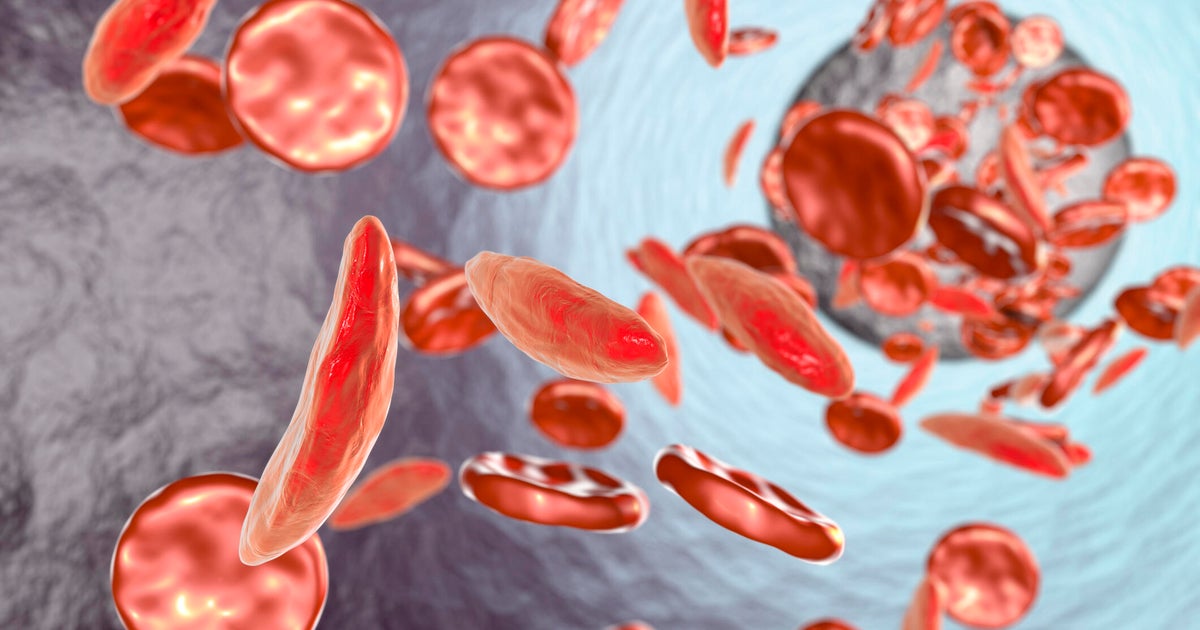
Gene Therapy Cures Teen's Sickle Cell Pain

A South Florida teenager has experienced a life transformation, becoming one of the first pediatric patients in Florida to receive successful gene therapy for sickle cell disease. This innovative treatment offers a potential cure for the debilitating inherited blood disorder, which previously caused daily pain and fatigue for the 19-year-old. Doctors at Holtz Children's Hospital utilized gene therapy to genetically alter the patient's own cells, correcting the defect responsible for sickle cell.

Unlike traditional bone marrow transplants, which require donors and carry significant risks, this gene therapy approach is considered safer and more effective. The patient underwent chemotherapy and weeks of isolation for the procedure, but the results have been profound. His parents expressed immense relief and joy, noting their son has gone from barely existing to truly living, now able to socialize and plan for the future.

trending

Severe geomagnetic storm alert

trending

Jerusalem daycare babies dead

trending

Punta Cana tourism surge

trending

Apple TV service disruption

trending

Karamo Brown fears being bullied

trending

Clemson loses to NC State

trending

Carlos Beltran Hall of Fame

trending

Mets acquire Luis Robert Jr.

trending

Mike McDaniel joins Chargers

While the FDA has approved this treatment for individuals aged 12 and older, there are ongoing efforts to make it more accessible and affordable, as cost remains a significant barrier. Physicians are also hopeful that the treatment's application may eventually be extended to younger children, offering new hope to many suffering from sickle cell disease.

Disclaimer: This story has been auto-aggregated and auto-summarised by a computer program. This story has not been edited or created by the Feedzop team.
Gene therapy corrects the genetic defect in a patient's own blood cells, eliminating the cause of sickle cell disease.
The first pediatric gene therapy for sickle cell in Florida was administered at Holtz Children's Hospital.
Gene therapy uses a patient's own cells and is considered safer and less complex than bone marrow transplants requiring donors.

Read more news on

Healthside-arrow

You may also like

Blood Supply Crisis: Red Cross Declares Emergency

4 hours ago • 21 reads

article image

Medicaid's Bold Move: Paying for Cures, Not Just Drugs

16 hours ago • 16 reads

article image

Scotland Approves Gene Therapy "Functional Cure" for Sickle Cell

1 day ago • 7 reads

article image

Vaccines May Slash Dementia Risk, Study Shows

7 Jan • 116 reads

article image

Gene Therapy Revolution: From Rare Diseases to Mainstream Care

2 Jan • 148 reads

article image