Home / Health / Gene Editing Offers One-Time Fix for High Cholesterol
Gene Editing Offers One-Time Fix for High Cholesterol
16 Feb
Summary
- Gene editing shows promise for a one-time fix for high cholesterol.
- Early research in a few dozen people significantly lowered LDL levels.
- Safety and long-term effects require further extensive study.
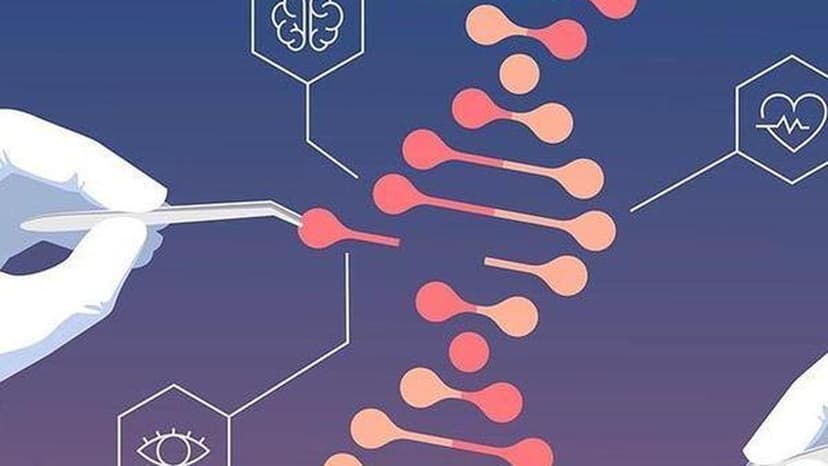
An innovative gene-editing treatment is undergoing early-stage testing, offering the potential for a one-time fix for high cholesterol. This groundbreaking research, involving a few dozen participants, utilizes CRISPR technology to switch off specific genes responsible for elevated cholesterol levels. Initial results, published in the New England Journal of Medicine, indicate a dramatic reduction in LDL cholesterol and triglycerides.
Two companies are at the forefront of this development. One study, conducted in Australia and the UK, saw LDL and triglyceride levels drop by half in participants receiving the highest dose of the gene-editing infusion. Another company's similar approach has also shown promising reductions in LDL cholesterol. These initial studies are paving the way for larger trials, with U.S. study sites expected to open soon.
While the prospect of a permanent solution to high cholesterol is exciting, experts caution that significant safety questions remain. Long-term studies in a much larger patient population are necessary to fully understand the implications of gene editing. Current trials primarily target individuals at very high risk due to their cholesterol levels. The American Heart Association also reminds the public of established lifestyle factors crucial for heart health, including diet, exercise, and maintaining a healthy weight.