Home / Health / Full-Body Scans: Life-Saving Tool or Costly Risk?
Full-Body Scans: Life-Saving Tool or Costly Risk?
21 Jul
Summary
- Preventive full-body scans may detect diseases early, but risks and costs are debated.
- Celebrity endorsements fuel interest, despite medical experts' warnings about benefits.
- Insurance typically doesn't cover these scans, which can cost up to $2,500.
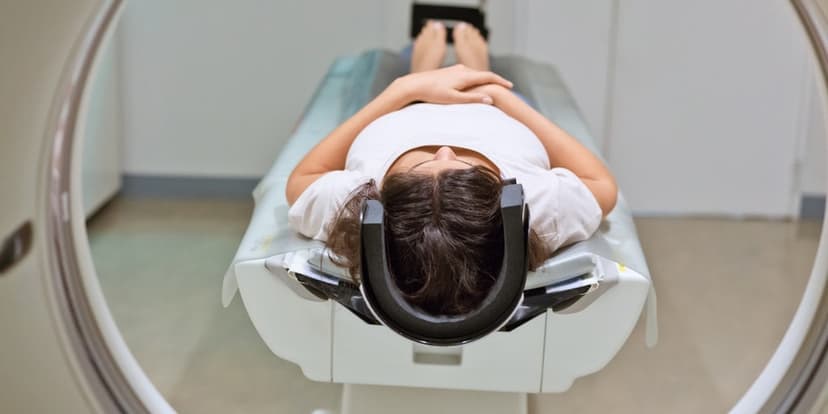
Preventive full-body scans, particularly using MRI technology, are drawing renewed interest following a former "Bachelor" contestant's account of an early brain tumor detection. Companies like Prenuvo and Ezra offer these scans, aiming to identify diseases such as cancer and aneurysms before symptoms manifest, described by some as a "virtual physical."
These comprehensive screenings, however, face significant debate among medical professionals. Concerns center on the high out-of-pocket costs, often reaching $2,500, and the typical lack of insurance coverage for asymptomatic individuals. Experts caution against potential harms like false positives, overdiagnosis, and overtreatment.
Regulatory bodies, including the FDA and the American Academy of Family Physicians, have issued guidance recommending against routine full-body scans for those without symptoms. They cite a lack of demonstrated benefit outweighing potential harm, and the FDA specifically warns of radiation exposure risks with CT scans used in some screenings.
While proponents suggest these scans can ease health anxiety, critics argue that incidental findings may increase stress and lead to unnecessary medical interventions. Long-term data on the overall efficacy and impact of these proactive screenings remains limited, contributing to the ongoing medical discussion.


