Home / Health / Frozen Shoulder: The Silent Desk Job Danger
Frozen Shoulder: The Silent Desk Job Danger
3 Dec, 2025
Summary
- Frozen shoulder affects 2-5% of the general population.
- Desk workers are at higher risk due to prolonged immobility.
- Early symptoms are often subtle and dismissed as fatigue.
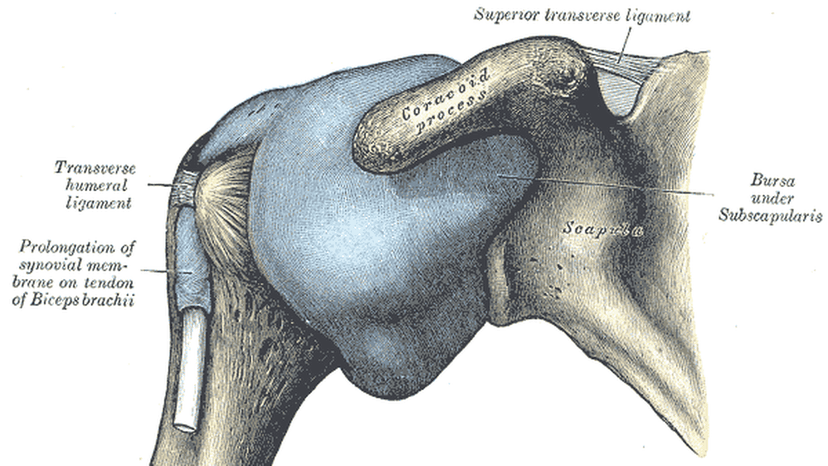
Frozen shoulder, medically known as adhesive capsulitis, affects an estimated 2-5% of the population, with individuals with diabetes being particularly susceptible. Experts highlight that the condition often begins with subtle, easily overlooked symptoms. Many assume shoulder pain requires a significant injury, but this is incorrect, as it frequently develops quietly, especially among sedentary workers whose routines limit shoulder movement.
The condition often starts subtly, with early signs resembling ordinary tiredness or mild work strain. These can include slight tightness when lifting the arm, difficulty reaching behind the back, or a persistent feeling of heaviness. Desk workers often experience pain when reaching behind their back, difficulty lifting the arm fully, and nighttime discomfort, with a dull tightness building after prolonged computer use.
Management focuses on correcting daily habits, improving posture, and incorporating shoulder mobility breaks. Physiotherapy is a primary treatment, requiring guided mobilization. For desk-related cases, workstation ergonomics are crucial. While desk-related frozen shoulder tends to recover faster with consistent therapy, prompt recognition and intervention are key to preventing progression and achieving a good range of motion.