feedzop-word-mark-logo
searchLogin
Feedzop
homeFor YouUnited StatesUnited States
You
bookmarksYour BookmarkshashtagYour Topics
Trending
Terms of UsePrivacy PolicyAboutJobsPartner With Us

© 2025 Advergame Technologies Pvt. Ltd. ("ATPL"). Gamezop ® & Quizzop ® are registered trademarks of ATPL.

Gamezop is a plug-and-play gaming platform that any app or website can integrate to bring casual gaming for its users. Gamezop also operates Quizzop, a quizzing platform, that digital products can add as a trivia section.

Over 5,000 products from more than 70 countries have integrated Gamezop and Quizzop. These include Amazon, Samsung Internet, Snap, Tata Play, AccuWeather, Paytm, Gulf News, and Branch.

Games and trivia increase user engagement significantly within all kinds of apps and websites, besides opening a new stream of advertising revenue. Gamezop and Quizzop take 30 minutes to integrate and can be used for free: both by the products integrating them and end users

Increase ad revenue and engagement on your app / website with games, quizzes, astrology, and cricket content. Visit: business.gamezop.com

Property Code: 5571

Home / Health / Frozen Shoulder: The Silent Desk Job Danger

Frozen Shoulder: The Silent Desk Job Danger

3 Dec

•

Summary

  • Frozen shoulder affects 2-5% of the general population.
  • Desk workers are at higher risk due to prolonged immobility.
  • Early symptoms are often subtle and dismissed as fatigue.
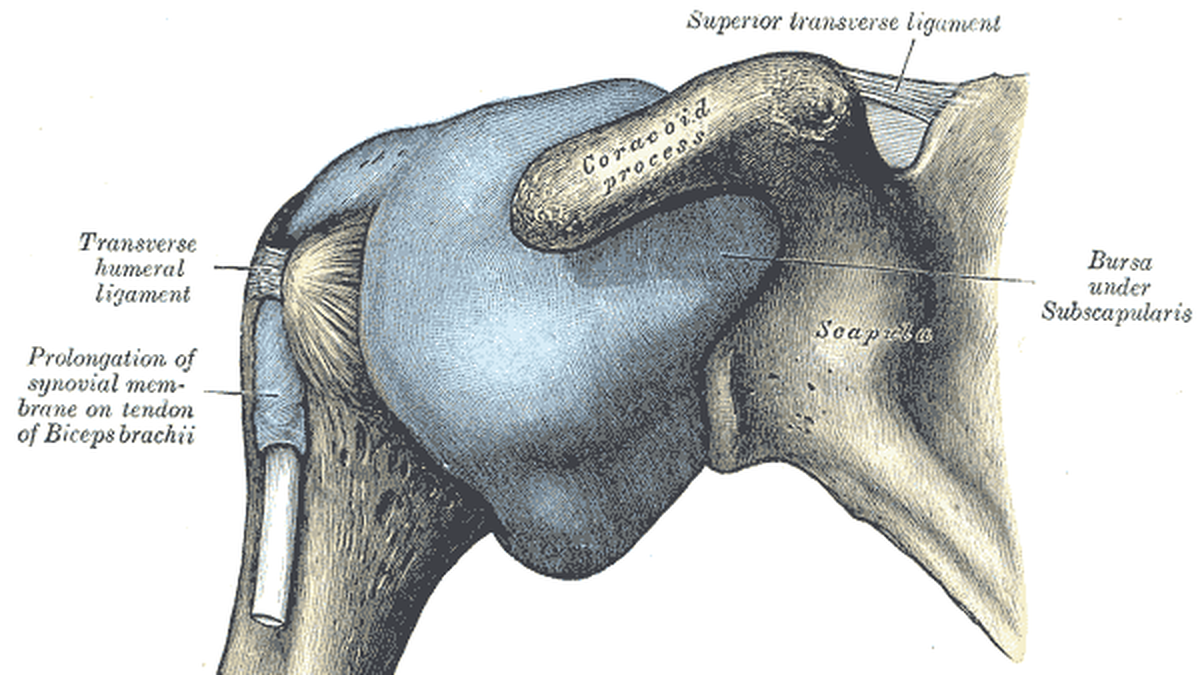
Frozen Shoulder: The Silent Desk Job Danger

Frozen shoulder, medically known as adhesive capsulitis, affects an estimated 2-5% of the population, with individuals with diabetes being particularly susceptible. Experts highlight that the condition often begins with subtle, easily overlooked symptoms. Many assume shoulder pain requires a significant injury, but this is incorrect, as it frequently develops quietly, especially among sedentary workers whose routines limit shoulder movement.

The condition often starts subtly, with early signs resembling ordinary tiredness or mild work strain. These can include slight tightness when lifting the arm, difficulty reaching behind the back, or a persistent feeling of heaviness. Desk workers often experience pain when reaching behind their back, difficulty lifting the arm fully, and nighttime discomfort, with a dull tightness building after prolonged computer use.

Management focuses on correcting daily habits, improving posture, and incorporating shoulder mobility breaks. Physiotherapy is a primary treatment, requiring guided mobilization. For desk-related cases, workstation ergonomics are crucial. While desk-related frozen shoulder tends to recover faster with consistent therapy, prompt recognition and intervention are key to preventing progression and achieving a good range of motion.

trending

Coca-Cola faces plastic criticism

trending

Texans upset Kansas City Chiefs

trending

Caitlin Clark declined overseas offer

trending

Taylor Swift at Texans game?

trending

Guilford County schools early dismissal

trending

Golden Globes nominations unveiled December

trending

Walmart Lexington bomb threat

trending

Todd Combs joins JPMorgan

trending

IBM nears Confluent acquisition

Disclaimer: This story has been auto-aggregated and auto-summarised by a computer program. This story has not been edited or created by the Feedzop team.
Early signs include night pain and mild difficulty lifting the arm, often dismissed as fatigue or work strain.
Yes, diabetes and other conditions like hypothyroidism increase risk as tissues stiffen faster, leading to capsular tightening even without injury.
With consistent physiotherapy and habit changes, desk-related frozen shoulder recovery can take 8-12 weeks.

Read more news on

Healthside-arrow

You may also like

Balance Blood Glucose: Avoid the Spike and Crash

5 Dec • 10 reads

article image

Diabetic's Ignored Toe Cut Leads to Amputation

4 Dec • 20 reads

article image

Beyond Insulin: GLP-1 Catalyst for Diabetes Transformation

3 Dec • 26 reads

article image

Exercise Boosts Brain Insulin for Dementia Defense

28 Nov • 67 reads

article image

Buttock Shape Reveals Health Clues

25 Nov • 44 reads