

Home / Health / Gut Microbes May Aid Autism Therapy
Gut Microbes May Aid Autism Therapy
24 Apr
Summary
- FMT transfers donor stool to restore gut microbial balance.
- Gut bacteria produce compounds affecting mood and behavior.
- More research is needed to confirm FMT effectiveness for autism.
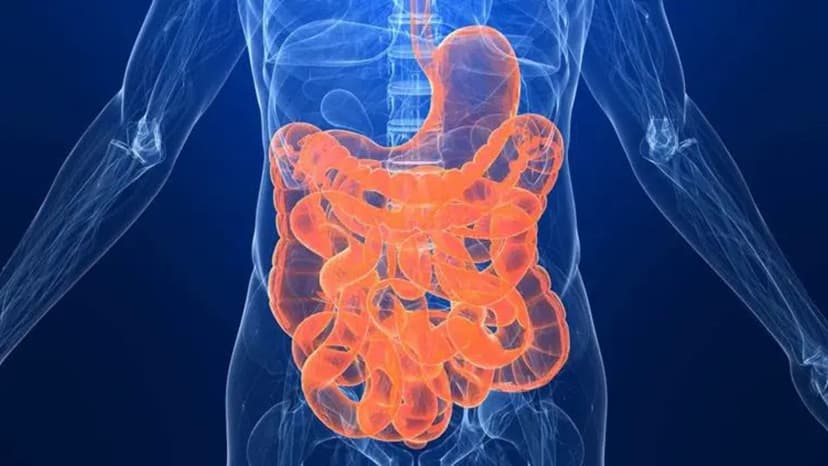
Faecal microbiota transplantation (FMT), a procedure involving the transfer of processed stool from a healthy donor to a patient, is emerging as a potential therapy for children with autism. This intervention aims to rebalance gut microbes, which research increasingly links to neurological and behavioral conditions. S. Hameed, a parent from Canada, reported significant improvements in her son's constipation, calmness, and eating habits after undergoing FMT at a Hyderabad research facility last September.
Experts like Dr. Chandrasekhar Thodupunuri highlight the gut-brain axis, noting that gut bacteria synthesize vital compounds such as serotonin and dopamine. These microbes can regulate mood, focus, and social behavior, and fermenting dietary fibers can protect the brain and reduce inflammation. Disruptions in gut microbiota are thought to influence neurological conditions like autism, with children often experiencing gastrointestinal issues that affect their quality of life and behavior.

