Home / Health / Fat Cells Burn Energy for Weight Loss Therapies
Fat Cells Burn Energy for Weight Loss Therapies
16 Mar
Summary
- Fat is now understood as a dynamic organ, not just passive storage.
- Brown and beige fat cells can burn energy to generate heat.
- Future therapies may combine appetite control with energy expenditure.
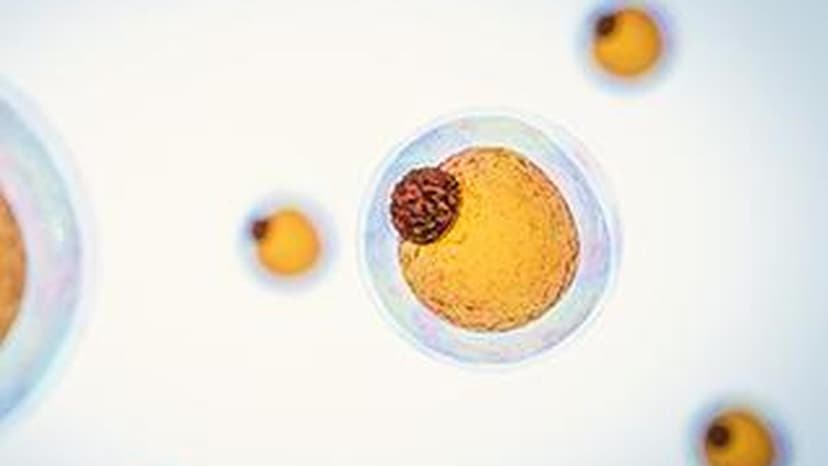
New weight loss medications are transforming obesity treatment by reducing appetite, demonstrating that body weight is biologically regulated. However, these drugs primarily address energy intake, while scientists are now focusing on energy expenditure. Fat, or adipose tissue, previously considered mere energy storage, is now recognized as a complex endocrine organ. It plays roles in hormone release, cushioning organs, and storing excess lipids.
White adipose tissue, the most abundant fat, stores energy but also releases hormones that regulate appetite and insulin levels. Its health impact depends on cell size and function. Brown fat, conversely, is specialized for burning energy through mitochondria, converting it to heat. While thought to diminish in adulthood, metabolically active brown fat exists in many adults, triggered by cold exposure.
Beige fat cells, which can form within white fat depots, also possess heat-generating properties, illustrating adipose tissue's metabolic plasticity. Researchers are exploring ways to enhance fat cells' heat-producing capacity to increase energy expenditure for weight loss. This next generation of therapies aims to combine appetite modulation with interventions that boost energy output, addressing both sides of the energy balance equation.