Home / Health / Early Brain Surgery Offers Hope for Drug-Resistant Epilepsy
Early Brain Surgery Offers Hope for Drug-Resistant Epilepsy
14 Mar
Summary
- Intractable epilepsy affects those resistant to multiple medications.
- Early brain surgery can prevent permanent developmental damage.
- Advanced imaging guides precise surgical interventions for epilepsy.
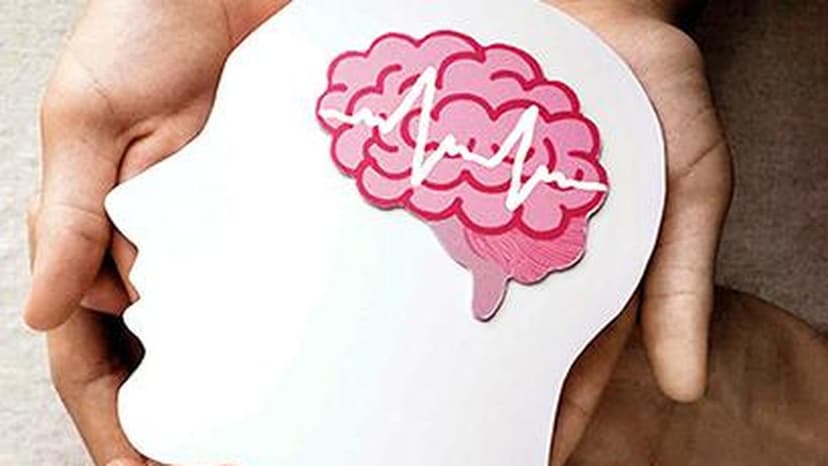
Intractable epilepsy, characterized by persistent seizures despite multiple medication trials, affects both children and adults. This condition necessitates exploring alternative treatments, with modern brain surgery emerging as a highly effective option. Early surgical intervention is critical, particularly in infants, to prevent irreversible brain damage and developmental setbacks.
Children's brains possess remarkable neuroplasticity, allowing them to rewire and compensate for removed or affected areas. This makes ultra-early surgery, even in infants, a viable strategy for eliminating seizures and fostering normal development. Advanced imaging, like MRI, aids in identifying curative lesions, allowing for timely surgical consideration before drug resistance is fully established.
Epilepsy surgery involves a multidisciplinary team assessing patients through advanced imaging and neurological evaluations. Procedures range from lesionectomy and temporal lobe resections to palliative options like corpus callosotomy and hemispherotomy for severe cases. For non-lesional epilepsy, neuro-modulation techniques such as vagal nerve stimulation (VNS) and deep brain stimulation (DBS) are employed.