Home / Health / Beyond Ebola: Unrest is Humanity's Oldest Epidemic Response
Beyond Ebola: Unrest is Humanity's Oldest Epidemic Response
20 Jul
Summary
- Outbreaks trigger complex reactions, not just ignorance.
- Historical precedents show societal unrest during epidemics.
- Understanding distrust is key to navigating health crises.
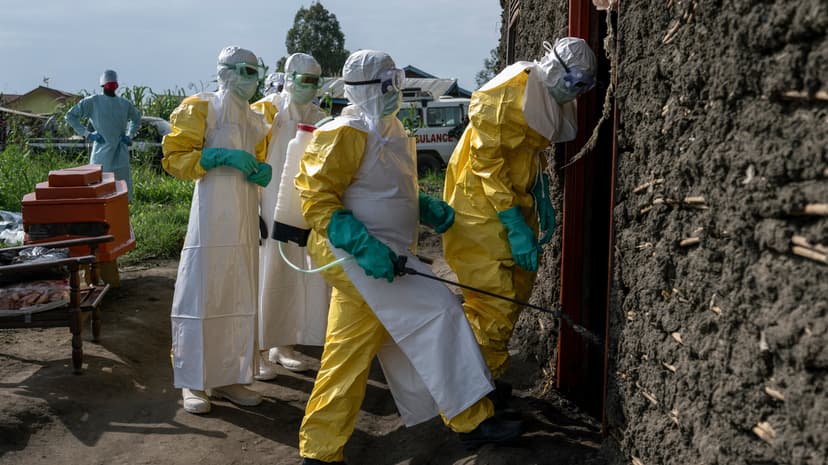
Epidemics, from Ebola to COVID-19, often trigger societal unrest rooted in historical distrust rather than mere ignorance. Communities have historically reacted with suspicion, blame, and antagonism towards health workers, a pattern observed from ancient times to the present day. This phenomenon is not unique to Africa or specific diseases but reflects a long-standing human struggle to comprehend and cope with widespread death.
Reactions to outbreaks unfold in stages: initial denial, a demand for explanations often involving blame, and subsequent actions. This cycle, coupled with historical experiences of exploitation and neglect, fuels deep-seated suspicions. Effective responses require understanding these complex socio-political factors and adapting public health strategies to community realities, rather than imposing top-down solutions.
Efforts to contain diseases are further complicated by factors like reliance on livelihoods threatened by interventions and cultural practices. Addressing these challenges necessitates a collaborative approach, designing strategies in concert with affected communities. Recognizing these deeply held suspicions, often based on historical experience, is essential for building trust and improving outcomes during health crises.


