
Home / Health / Enjoy Food More, Eat Less? New Diet Theory
Enjoy Food More, Eat Less? New Diet Theory
4 May
Summary
- Enjoying food more might help reduce overall consumption.
- Dopamine pathways, not just taste, may drive overeating.
- Mindful eating focuses on sensory experience to curb binges.
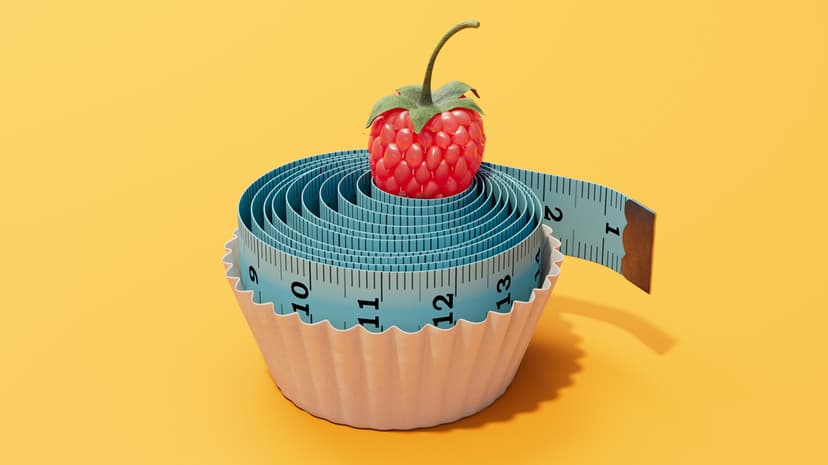
The conventional view of obesity links overeating to excessive pleasure derived from highly palatable foods. However, emerging research, notably from neuroscientist Dana Small, proposes that enjoying food more might actually lead to eating less. This perspective challenges the "hyperpalatability" theory, suggesting that pleasure could be a satiety signal rather than a driver of overconsumption. Small's own experience and subsequent research indicate that focusing on the enjoyment of low-glycemic, anti-inflammatory foods helped her manage prediabetes and lose weight.
This alternative theory posits that overeating may be driven by the dopamine pathway, activated after consumption, rather than the initial pleasure of taste and flavor. Experts like David Ludwig argue that the rapid blood sugar spikes and crashes from simple carbohydrates, not necessarily hyperpalatability, prompt overeating. Furthermore, medications like GLP-1 agonists allow many to enjoy food while eating less, supporting the idea that pleasure and reduced intake are not mutually exclusive.
Approaches like mindful eating, inspired by Buddhist meditation, encourage paying close attention to the sensory experience of food. This practice, popularized by figures like Jon Kabat-Zinn and Jan Chozen Bays, helps individuals slow down, savor flavors, and recognize fullness signals naturally. While the long-term effects on weight maintenance are still being studied, mindful eating is regaining ground by reconnecting enjoyment with healthy eating practices, offering a path to better health without mere self-denial.
