Home / Health / Tapeworm Drug Offers Endometriosis Hope
Tapeworm Drug Offers Endometriosis Hope
20 Oct
Summary
- A tapeworm drug shows promise in reducing endometriosis inflammation.
- Modified drug targets rogue immune cells to shrink endometrial growths.
- Mouse trials demonstrate pain reduction and halted lesion growth.
A potential new treatment for endometriosis is emerging from research involving a modified tapeworm drug. This condition affects approximately one in ten women of reproductive age worldwide, causing chronic pain and fatigue.
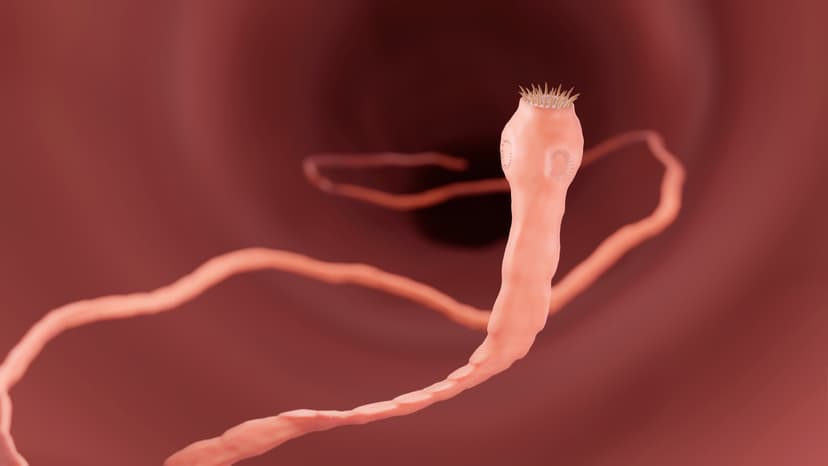
The repurposed drug, Niclosamide, typically used to treat tapeworm infections, has been engineered by US scientists. This modified version specifically targets immune cells within endometrial lesion tissue, aiming to reduce inflammation and slow or prevent lesion spread. Early studies in mouse models have yielded promising results.
These trials indicated that a single injection of the modified drug dramatically reduced pain symptoms in the mice. Furthermore, the treatment significantly slowed the growth of new lesions, and in some cases, completely halted their development.
While these findings offer considerable hope, further research is essential. Scientists emphasize that significant work remains before this treatment can be tested in humans. The next steps involve replicating these results on larger sample sizes, potentially leading to phase one clinical trials.


