Home / Health / Racism's Toll: Emory Study Tracks Brain Impact
Racism's Toll: Emory Study Tracks Brain Impact
13 Dec
Summary
- Emory researchers are studying racism's effects on Black adults in Atlanta.
- A voice-diary app and Fitbits track stress responses and cardiovascular activity.
- Research identifies brain patterns like hypervigilance linked to racism.
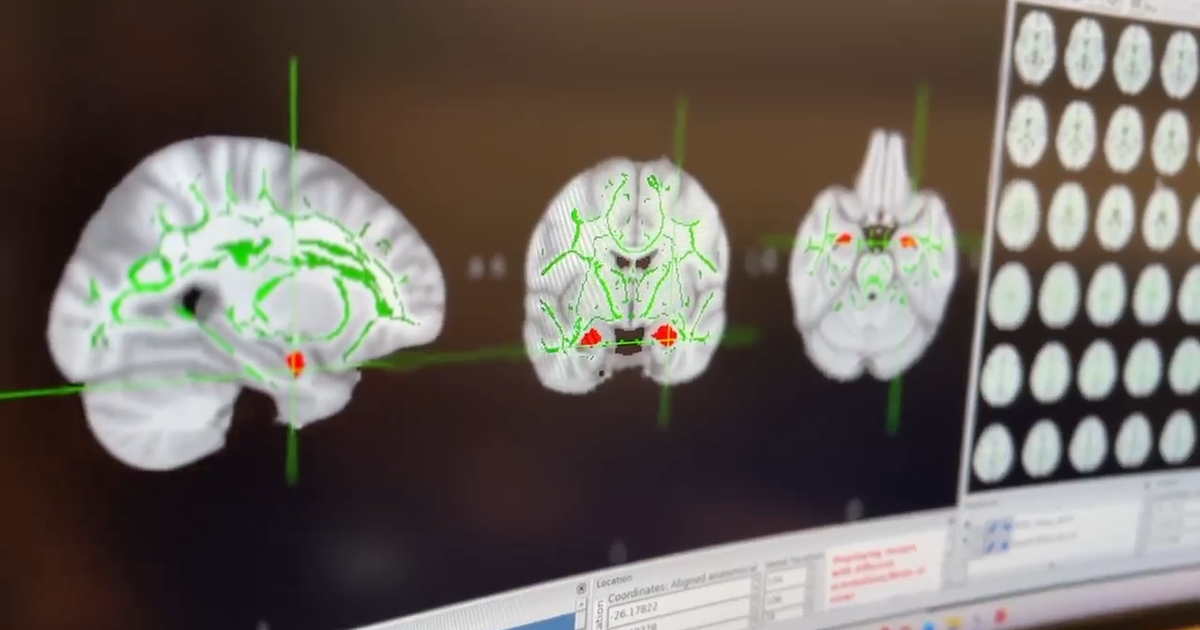
Emory University researchers are conducting a groundbreaking study in Atlanta to understand the immediate and long-term effects of racism on the brain and body. The research focuses on over 200 Black adults, employing innovative technology to capture their experiences and physiological responses.
Participants utilize Fabla, a voice-diary app, to record daily encounters with racism, while Fitbits monitor their cardiovascular activity. This data, combined with MRI scans, helps scientists observe how the brain processes stressful experiences, identifying patterns like hypervigilance and dissociation associated with discrimination.
The study highlights how seemingly minor incidents can trigger significant stress responses, even when individuals believe they are handling them calmly. Researchers are also exploring potential interventions, including tailored brain stimulation techniques, to aid stress relief and mitigate the lasting impact of racism.