Home / Health / Hydration Hype: Are Electrolytes Really Necessary?
Hydration Hype: Are Electrolytes Really Necessary?
18 Feb
Summary
- Experts say most people don't need added electrolytes for hydration.
- Normal diets provide sufficient electrolytes for daily needs.
- Urine color is a reliable indicator of proper hydration.
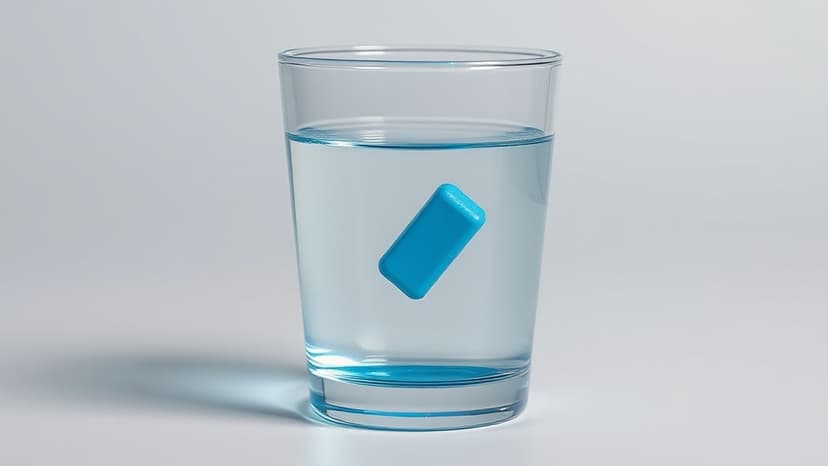
A growing trend sees individuals, especially younger generations, adding electrolytes to their water, a practice being scrutinized by health professionals. Social media influencers are promoting 'loaded water' mixtures, often including salts and other additives, claiming they are essential for preventing issues like migraines and anxiety. Experts, however, suggest this is largely unnecessary for the general population.
Associate Professor Ricardo Costa from Monash University explains that while electrolytes are vital for cellular water movement, they don't significantly impact overall hydration status for most. He notes that consuming large amounts of salt for hydration carries health risks, such as elevated blood pressure. Prof Costa suggests that carbohydrates and proteins play a more significant role in hydration than electrolytes.
Associate Professor Kagan Ducker from Curtin University agrees, stating that typical diets provide sufficient electrolytes for daily needs. He clarifies that athletes exercising intensely for extended periods might benefit from electrolyte supplements, but this isn't the case for the average person. Dr. Fiona Willer, President of Dietitians Australia, also labels these products as unnecessary for most Australians, emphasizing the body's efficient regulation of blood salt concentration through the kidneys.
Experts advise that the best indicator of adequate hydration for most people is the color of their urine; a pale straw hue signifies good hydration. Concerns about hydration levels should be addressed with healthcare professionals or registered dietitians. The body is adept at excreting excess electrolytes, making overconsumption through supplements generally ineffective and potentially risky.