Home / Health / Whitty: Old Age Infections Trigger Heart Risk
Whitty: Old Age Infections Trigger Heart Risk
4 Dec
Summary
- Old age infections significantly raise heart attack and stroke risks.
- Serious infections may also contribute to dementia development.
- NHS urged to take infections in the elderly more seriously.
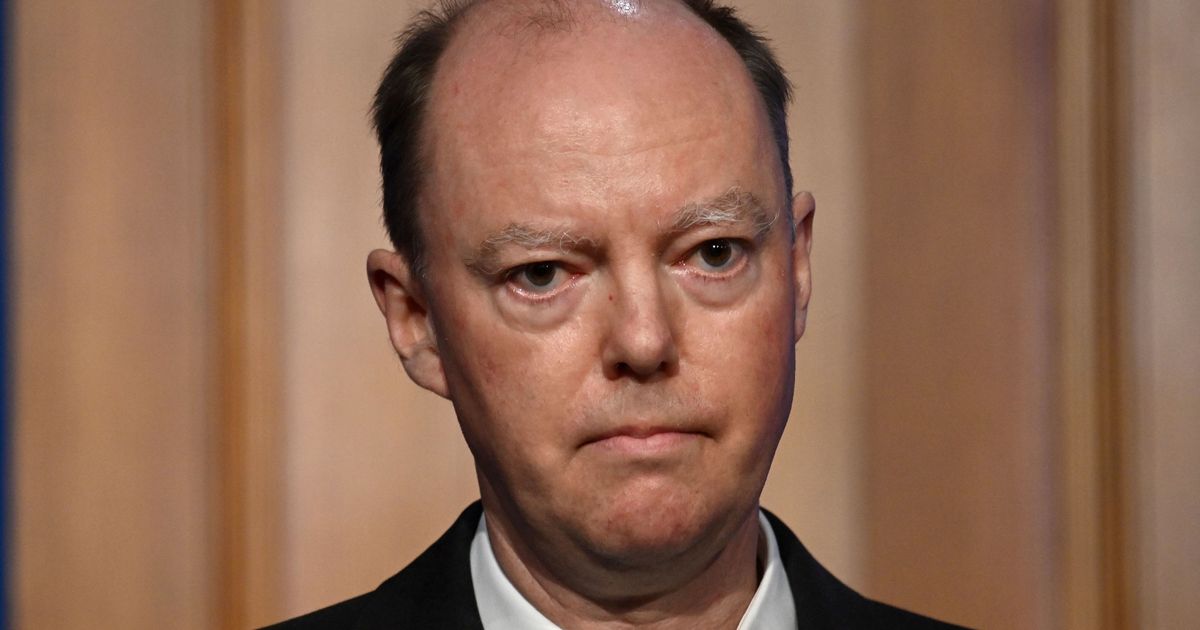
Infections contracted in old age can dramatically increase the risk of severe health conditions such as heart attack, stroke, and even dementia, according to a new report by England's Chief Medical Officer, Sir Chris Whitty. He has called for the National Health Service to place greater emphasis on recognizing and managing infections in the elderly population.
The report highlights that beyond immediate winter deaths, significant infections can have devastating long-term consequences, leaving older individuals frail and housebound. Professor Whitty pointed to clear evidence linking infections like bacteremia, UTIs, and pneumonia to a higher likelihood of stroke, particularly within the first two weeks post-infection, a risk that can persist for up to a year.
Furthermore, there is a noted correlation between serious infections and the subsequent development of dementia in older adults, though the exact nature of this link requires further investigation. Whitty stressed that older people are currently underserved and called for a lower threshold for antibiotic treatment in this demographic, alongside encouraging vaccination and good hygiene practices.