Home / Health / Ebola Spreads: WHO Warns of Global Risk
Ebola Spreads: WHO Warns of Global Risk
26 Nov • 15 reads
Summary
- WHO warns global spread of Ebola is possible if not contained.
- The Bundibugyo strain is spreading twice as fast as previous outbreaks.
- Lack of vaccine and conflict hinder containment efforts in DRC.
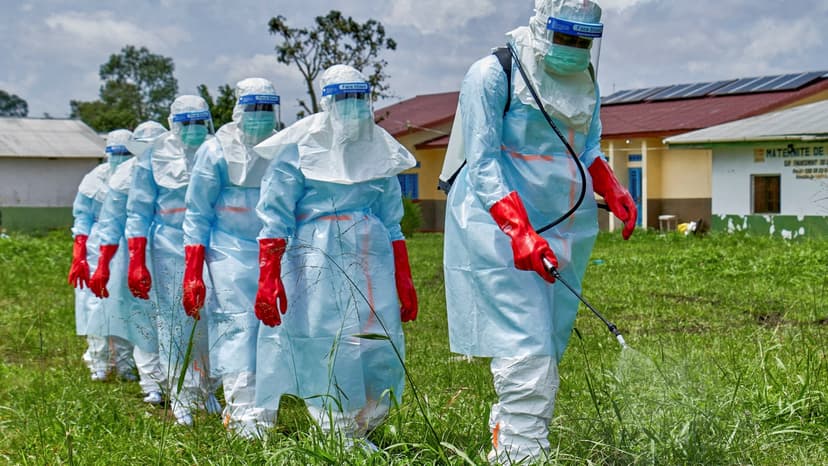
The World Health Organization (WHO) has warned that global spread of Ebola is a distinct possibility if the current outbreak, which has claimed over 5,500 lives, is not effectively contained. The Democratic Republic of Congo (DRC) has been the epicenter, with half of its 11,000 infected individuals succumbing to the virus. Cases have also been reported internationally, including in France and Uganda, highlighting the potential for wider dissemination.
The rare Bundibugyo strain, characterized by a 30-50% mortality rate, is driving this outbreak and spreading at twice the speed of the 2014-2016 West Africa epidemic. A significant contributing factor is the absence of a vaccine against this particular strain. Compounding the challenge are ongoing conflict, population displacement, and limited access to remote areas, further fueling the virus's transmission.
Despite these challenges, WHO officials express optimism, noting progress in some areas such as Bunia where cases are falling. However, intervention remains difficult in regions affected by militia conflict. Dr. Mohamed Janabi, WHO Regional Director for Africa, urged Western countries to increase support and funding, emphasizing the need for modern screening equipment and treatment centers. The development of a vaccine is underway, with trials progressing, and outcomes are anticipated early next year, though concerns about equitable access for the DRC remain. The UK has pledged significant support, providing £78.7 million, technical expertise, and diplomatic engagement to bolster surveillance, treatment, and infection prevention efforts. The Bundibugyo strain's symptoms, including a lower incidence of bleeding compared to other strains, can make it harder to distinguish from common illnesses like malaria, potentially contributing to delayed diagnosis and community-based deaths. Approximately 70% of patients are still dying within their communities.


