feedzop-word-mark-logo
searchLogin
Feedzop
homeFor YouUnited StatesUnited States
You
bookmarksYour BookmarkshashtagYour Topics
Trending
trending

North Forsyth High stabbing

trending

Medline targets $55B valuation

trending

Heat vs Magic NBA Cup

trending

NBA Cup Quarterfinals begin

trending

California farm issues egg recall

trending

Andy Dick apparent overdose

trending

Tony Dokoupil CBS Evening News

trending

Call of Duty: Black Ops

trending

Percy Jackson Season 2 critics

Terms of UsePrivacy PolicyAboutJobsPartner With Us

© 2025 Advergame Technologies Pvt. Ltd. ("ATPL"). Gamezop ® & Quizzop ® are registered trademarks of ATPL.

Gamezop is a plug-and-play gaming platform that any app or website can integrate to bring casual gaming for its users. Gamezop also operates Quizzop, a quizzing platform, that digital products can add as a trivia section.

Over 5,000 products from more than 70 countries have integrated Gamezop and Quizzop. These include Amazon, Samsung Internet, Snap, Tata Play, AccuWeather, Paytm, Gulf News, and Branch.

Games and trivia increase user engagement significantly within all kinds of apps and websites, besides opening a new stream of advertising revenue. Gamezop and Quizzop take 30 minutes to integrate and can be used for free: both by the products integrating them and end users

Increase ad revenue and engagement on your app / website with games, quizzes, astrology, and cricket content. Visit: business.gamezop.com

Property Code: 5571

Home / Health / Brain Drains Clogged? New MRI Scan Key to Early Alzheimer's Detection

Brain Drains Clogged? New MRI Scan Key to Early Alzheimer's Detection

10 Dec

•

Summary

  • MRI scans can reveal clogged brain drainage spaces linked to Alzheimer's.
  • Expanded perivascular spaces may predict dementia before major damage occurs.
  • This method could offer earlier Alzheimer's detection without extra tests.
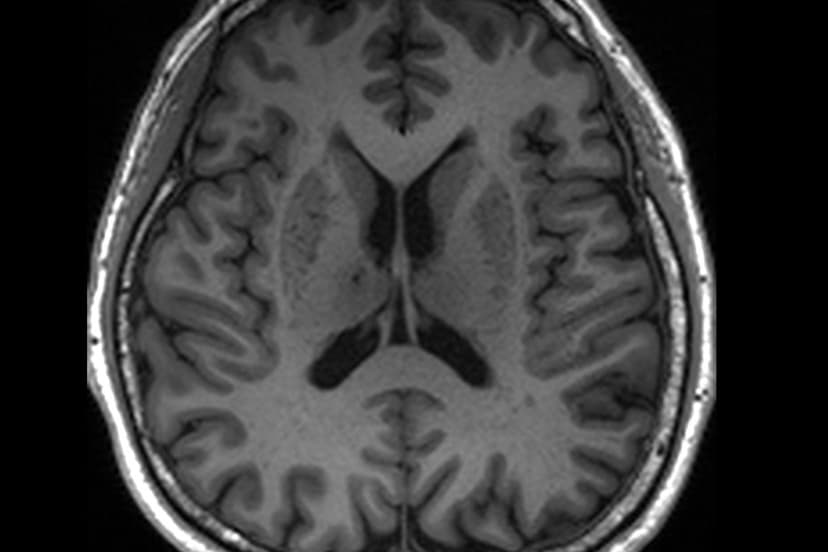
Brain Drains Clogged? New MRI Scan Key to Early Alzheimer's Detection

Researchers have identified potential early warning signs for Alzheimer's disease by examining MRI scans for blockages in the brain's natural drainage system. These natural "drains," which clear harmful waste, can become clogged, leading to enlarged perivascular spaces detectable on routine MRI scans. This finding suggests that anomalies in these spaces could serve as crucial predictors of dementia, even before substantial brain damage occurs.

The study, involving nearly 1,000 participants in Singapore, observed that individuals with mild cognitive impairment were more likely to exhibit these clogged drains compared to those without cognitive concerns. The presence of enlarged perivascular spaces was also found to correlate with certain blood markers associated with Alzheimer's, such as amyloid plaques and tau tangles.

This breakthrough offers a promising non-invasive method for earlier Alzheimer's detection, potentially complementing existing diagnostic tools and reducing the need for additional costly tests. Scientists plan further studies to confirm the predictive power of these MRI findings for tracking disease progression and identifying individuals at higher risk.

Disclaimer: This story has been auto-aggregated and auto-summarised by a computer program. This story has not been edited or created by the Feedzop team.
Yes, researchers found that enlarged perivascular spaces, visible on MRI scans, may indicate early Alzheimer's risk.
These are expanded channels in the brain that indicate blockages in the waste drainage system, potentially linked to dementia development.
They analyzed MRI scans and blood markers from nearly 1,000 participants to identify correlations between brain drainage and cognitive health.

Read more news on

Healthside-arrow

You may also like

Stomach Bug Protein Fights Alzheimer's Plaque

7 Dec • 23 reads

article image

Tiny Genetic Flaw Causes 'Baby Alzheimer's'

6 Dec • 80 reads

article image

Poor Kidneys Double Dementia Risk for Some

5 Dec • 39 reads

article image

Driving Habits Hint at Alzheimer's Risk

3 Dec • 48 reads

article image

Beyond Alzheimer's: Dementia's Many Faces

1 Dec • 48 reads

article image