

Home / Health / Dry Needling: Pain Relief Breakthrough or Hype?
Dry Needling: Pain Relief Breakthrough or Hype?
20 Apr
Summary
- Dry needling uses tiny needles to target muscle knots and trigger points.
- Athletes like Travis Kelce and Caitlin Clark use it for recovery and maintenance.
- While generally safe, risks like a collapsed lung are rare but possible.
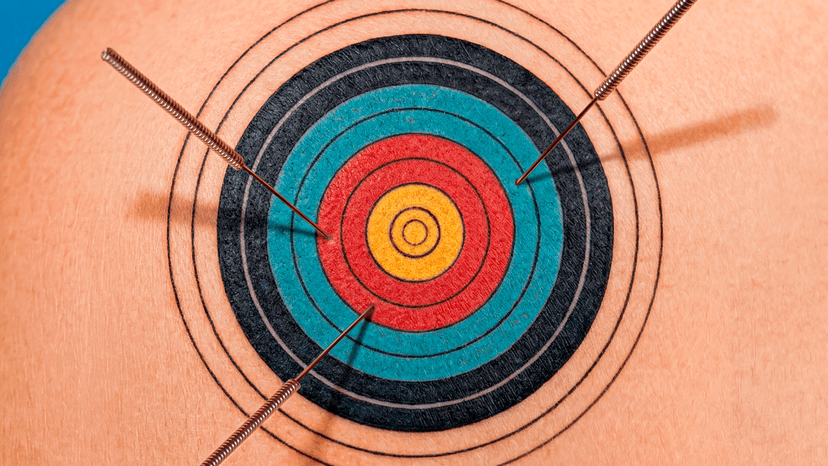
Dry needling, a physical therapy practice using ultrathin needles inserted into muscle knots, has become a common treatment in orthopedic care over the past decade. It aims to increase blood flow and loosen tight tissues by creating a small injury at the point of pain.
This method is distinct from acupuncture, focusing solely on musculoskeletal targets like trigger points. While some patients report immediate pain relief and increased range of motion, scientific evidence for long-term benefits is limited. Experts debate its precise mechanism and whether it addresses the underlying causes of pain or merely calms symptoms.
Generally considered safe, dry needling can lead to minor side effects like bruising or temporary pain. More severe complications are exceedingly rare, though not impossible. Proper certification and clinician experience are crucial, as state regulations vary significantly, and some states restrict the practice. It is not suitable for individuals with certain health conditions.
While Medicare covers dry needling for lower back pain, insurance coverage varies. The therapy's efficacy is often compared to other treatments like massage and exercise, with some suggesting these alternatives are equally effective for muscle loosening. Ultimately, dry needling offers short-term relief for muscle tightness and pain for many, but its role in addressing chronic pain remains a subject of ongoing discussion.
