Home / Health / Drowning's Quiet Danger: What Parents Must Know
Drowning's Quiet Danger: What Parents Must Know
18 Jul
Summary
- Drowning is the leading cause of death for children aged 1-4 in the US.
- Drowning is often silent, unlike dramatic portrayals.
- Multiple layers of protection are vital for preventing drownings.
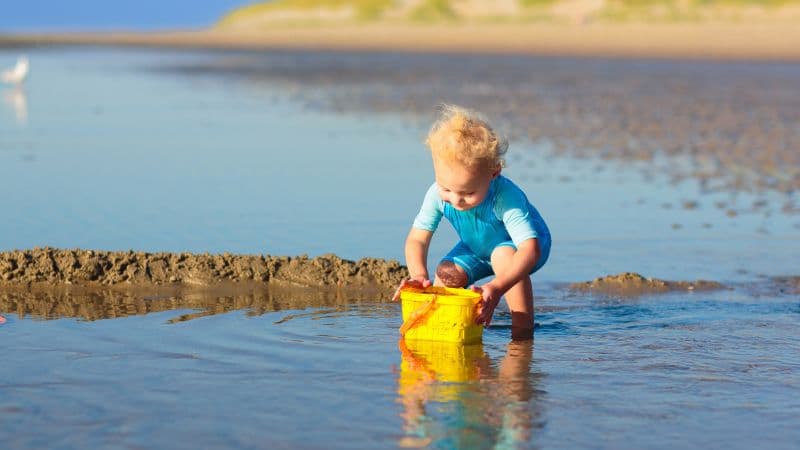
Drowning has tragically become the foremost cause of death for children between the ages of 1 and 4 in the United States, with rates increasing since the Covid-19 pandemic. A comprehensive review by the American Academy of Pediatrics highlights that preventing these largely preventable deaths requires multiple layers of protection. These layers include vigilant, undistracted supervision, acquiring swimming skills, implementing barriers around pools, using life jackets, and enacting effective water safety policies.
Drowning is often a silent event, differing from dramatic depictions of splashing and yelling. A struggling child typically focuses on breathing and may not be able to wave or call out. They might appear to be climbing an invisible ladder or simply slip beneath the surface. This underscores the critical importance of active, undistracted supervision, especially for young children. For toddlers and young children, staying within arm's reach is essential.
Further essential preventative measures include ensuring residential pools are secured with four-sided fencing at least 4 feet tall, featuring self-closing and self-latching gates. For activities in natural bodies of water like lakes or rivers, or when boating, properly fitted US Coast Guard-approved life jackets are crucial. While the American Academy of Pediatrics suggests children begin swimming lessons around age 4, earlier instruction can be beneficial. These lessons significantly reduce drowning risk by teaching vital water safety skills and building confidence, though they do not eliminate the risk entirely.


