feedzop-word-mark-logo
searchLogin
Feedzop
homeFor YouUnited StatesUnited States
You
bookmarksYour BookmarkshashtagYour Topics
Trending
trending

Albino alligator Claude dies at 30

trending

College Football Playoff rankings reveal

trending

Duke defeats Florida, stays perfect

trending

Timberwolves edge Pelicans in OT

trending

Rupee crosses 90 against USD

trending

Thunder beat Warriors without Curry

trending

UConn defeats Kansas

trending

North Carolina defeats Kentucky

trending

USC Trojans defeat Oregon

Terms of UsePrivacy PolicyAboutJobsPartner With Us

© 2025 Advergame Technologies Pvt. Ltd. ("ATPL"). Gamezop ® & Quizzop ® are registered trademarks of ATPL.

Gamezop is a plug-and-play gaming platform that any app or website can integrate to bring casual gaming for its users. Gamezop also operates Quizzop, a quizzing platform, that digital products can add as a trivia section.

Over 5,000 products from more than 70 countries have integrated Gamezop and Quizzop. These include Amazon, Samsung Internet, Snap, Tata Play, AccuWeather, Paytm, Gulf News, and Branch.

Games and trivia increase user engagement significantly within all kinds of apps and websites, besides opening a new stream of advertising revenue. Gamezop and Quizzop take 30 minutes to integrate and can be used for free: both by the products integrating them and end users

Increase ad revenue and engagement on your app / website with games, quizzes, astrology, and cricket content. Visit: business.gamezop.com

Property Code: 5571

Home / Health / Driving Habits Hint at Alzheimer's Risk

Driving Habits Hint at Alzheimer's Risk

3 Dec

•

Summary

  • Driving patterns can predict cognitive decline with 82% accuracy.
  • Older drivers with impairment drove less, especially at night.
  • Driving data improved cognitive decline prediction accuracy.
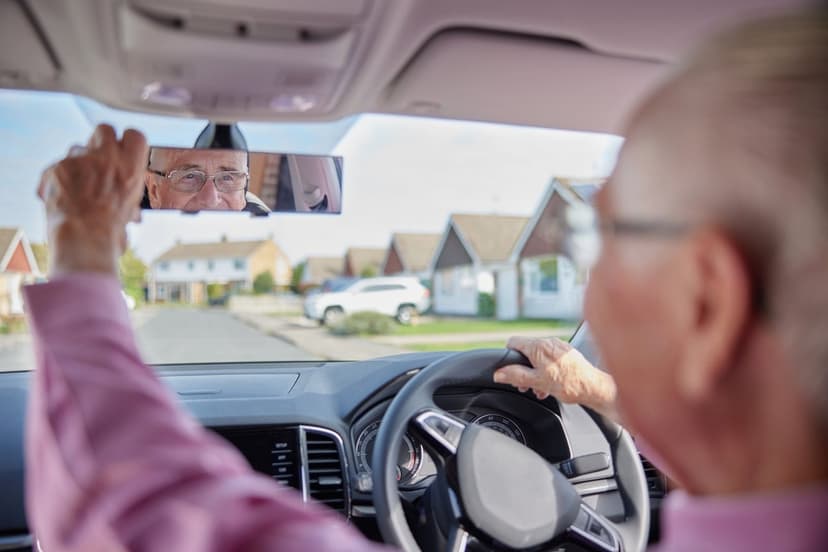
Driving Habits Hint at Alzheimer's Risk

New research suggests that alterations in driving behavior could be a significant early warning sign for cognitive decline, including Alzheimer's disease. A study utilizing GPS tracking devices found that individuals with mild cognitive impairment demonstrated distinct driving patterns. These changes included reduced overall driving frequency, a tendency to avoid driving at night, and a preference for well-known routes, differentiating them from cognitively healthy peers.

The study, involving participants averaging 75 years old, tracked driving habits over three years. Results showed that analyzing metrics like trip distances, speed limit adherence, and routine variation could predict mild cognitive impairment with 82% accuracy. Incorporating this driving data alongside age, cognitive test scores, and genetic factors boosted predictive accuracy to 87%, significantly outperforming predictions based on cognitive tests and genetic risk factors alone.

This innovative approach offers a low-burden, unobtrusive method for monitoring cognitive function and functional ability in older adults. By identifying at-risk drivers earlier, interventions can be implemented proactively, potentially preventing accidents and near misses. Researchers emphasize the importance of respecting privacy and ethical standards while exploring this promising diagnostic tool.

Disclaimer: This story has been auto-aggregated and auto-summarised by a computer program. This story has not been edited or created by the Feedzop team.
Yes, the study found that specific driving patterns can predict cognitive decline, a precursor to Alzheimer's, with high accuracy.
Individuals with mild cognitive impairment drove less, avoided nighttime driving, and favored familiar routes.
Researchers found that driving data alone or combined with other factors was more effective than memory tests and age alone.

Read more news on

Healthside-arrow

You may also like

Beyond Alzheimer's: Dementia's Many Faces

1 Dec • 7 reads

article image

Head Injury? Act Fast to Cut Alzheimer's Risk

30 Nov • 58 reads

article image

Dementia and 'Go Home': Unpacking the Hidden Meaning

30 Nov • 20 reads

article image

Boost Activity, Cut Dementia Risk by 45%

28 Nov • 38 reads

article image

Native Elders Face High Dementia Risk: New Toolkit Aids Care

28 Nov • 36 reads

article image