Home / Health / Dog Dementia: Recognizing the Signs
Dog Dementia: Recognizing the Signs
7 Dec
Summary
- Canine cognitive dysfunction mirrors Alzheimer's in humans.
- Early signs include nighttime restlessness and confusion.
- No cure exists, but treatments can slow progression.
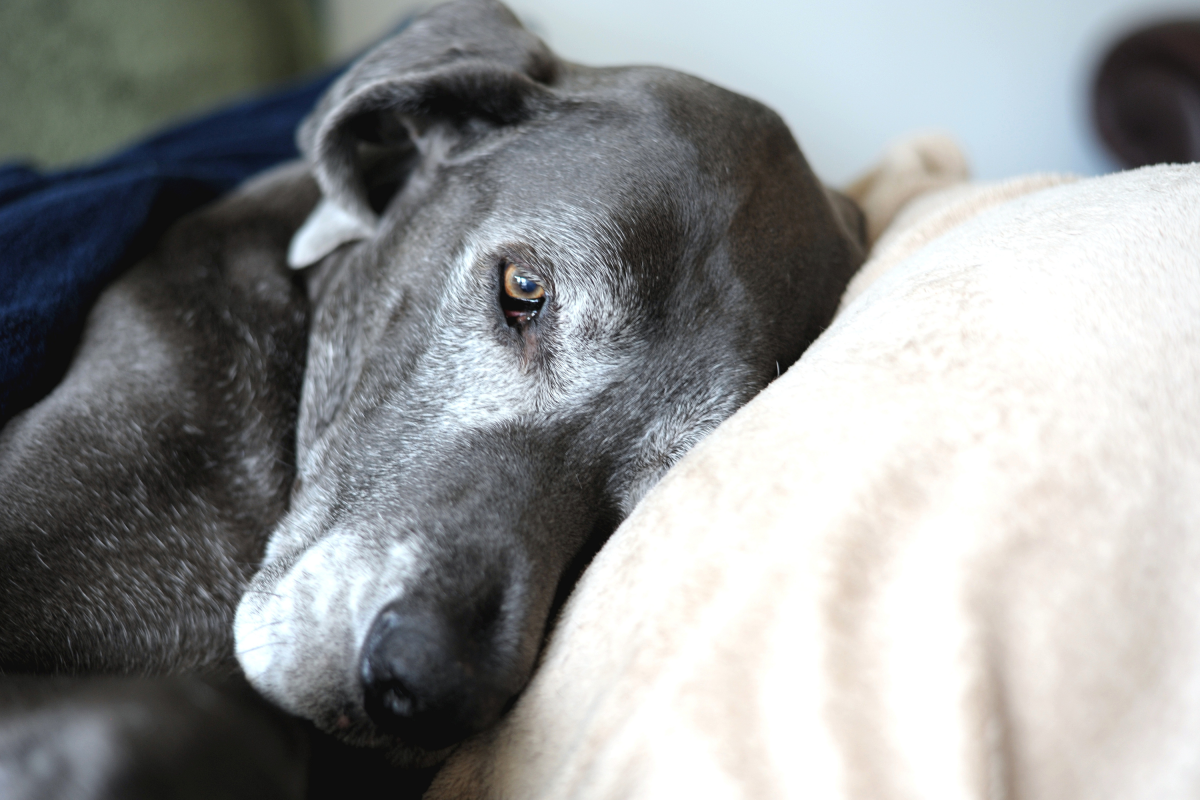
As dogs age, owners may notice changes like slowed movement and graying fur. However, a significant concern for many is canine cognitive dysfunction (CCD), often referred to as dog dementia. This neurodegenerative disorder shares pathological similarities with Alzheimer's disease in humans, leading to symptoms such as confusion, anxiety, altered sleep patterns, and house soiling.
Early detection of CCD is vital but challenging, as subtle signs can be misattributed to the normal aging process. Veterinary experts highlight key indicators including nighttime restlessness, decreased daytime activity, and changes in social interactions. Disorientation and difficulty in learning or memory are also noted. The DISHAA scale, a cognitive assessment tool, helps identify and monitor these symptoms.
Currently, there is no cure for dog dementia, and symptoms tend to worsen over time. However, available therapies, including medications, supplements, and dietary adjustments, can help slow the progression and alleviate signs. Environmental management, such as maintaining familiar surroundings and consistent routines, can also significantly improve a dog's well-being and comfort.