Home / Health / Shop-Bought Tests: 60% Risk of Error
Shop-Bought Tests: 60% Risk of Error
23 Feb
Summary
- Sixty percent of DIY health tests pose risk of inaccurate results.
- Many home tests lack robust data despite high accuracy claims.
- Experts call for regulation to prevent potentially harmful kits.
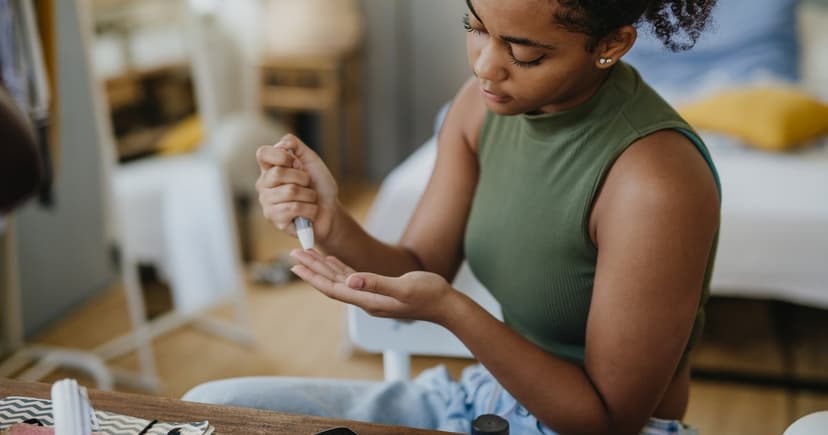
Research has revealed that a substantial portion of readily available at-home health tests may yield inaccurate or misleading results. Studies assessing 30 different DIY test kits found that 60% exhibited significant usability issues, potentially leading to erroneous outcomes or actions for consumers. These tests, ranging from menopause to bowel cancer kits, are not endorsed by the NHS and often lack sufficient evidence of their benefit.
Concerns are mounting over the reliability of accuracy claims, as manufacturers often cite studies with insufficient data or questionable methodology. For example, research for one menopause test included participants who did not meet the criteria for menopause. Additionally, unclear instructions and unrealistic user requirements were common findings.
The implications extend to the National Health Service (NHS), as even negative results may prompt users to seek GP consultations, potentially increasing workload. Health experts are advocating for centralized UK-wide regulation to ensure that such products undergo rigorous evaluation before market entry and to prevent consumers from being misled by false reassurance.