Home / Health / Diabetes' Hidden Toll: Hearing Loss
Diabetes' Hidden Toll: Hearing Loss
20 Feb
Summary
- Diabetes can significantly impact hearing, affecting 40.6%-71.9% of type 2 patients.
- High blood sugar damages tiny inner ear blood vessels and nerves.
- Annual hearing tests and strict glycaemic control are vital for protection.
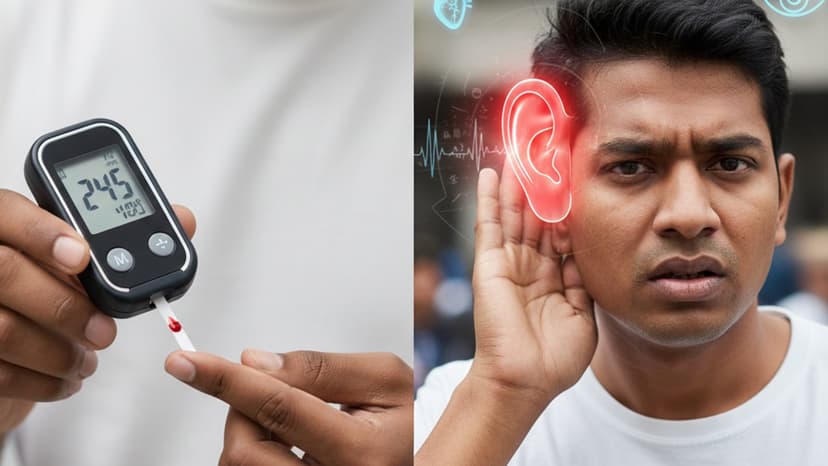
Diabetes, a condition commonly associated with heart, kidney, and eye issues, may also be a significant, under-recognized cause of hearing impairment. Research indicates that hearing loss could affect between 40.6% and 71.9% of individuals with type 2 diabetes, typically manifesting as a gradual decline in high-frequency hearing.
The underlying mechanism involves diabetes negatively impacting the small blood vessels and nerves essential for hearing. Chronic high blood sugar levels can compromise blood flow and metabolic support to the cochlea, the inner ear's sound-processing center. This damage often begins subtly, with reduced clarity in noisy environments preceding noticeable volume loss.
Experts emphasize that the risk of hearing loss increases with the duration of diabetes and poorer blood sugar control. Maintaining an A1C below 7% through diligent diet and medication adherence is critical, as this can halve the risk of hearing impairment. Lifestyle adjustments, including consuming antioxidant-rich foods and regular exercise, also play a role in protecting hearing.
Early signs of diabetes-related hearing changes can include difficulty understanding conversations in busy settings or missing sounds like phone rings. Annual hearing screenings are recommended for individuals with diabetes, much like regular A1C checks. Early detection allows for timely intervention, potentially through hearing aids, preserving communication and quality of life.