feedzop-word-mark-logo
searchLogin
Feedzop
homeFor YouUnited StatesUnited States
You
bookmarksYour BookmarkshashtagYour Topics
Trending
Terms of UsePrivacy PolicyAboutJobsPartner With Us

© 2026 Advergame Technologies Pvt. Ltd. ("ATPL"). Gamezop ® & Quizzop ® are registered trademarks of ATPL.

Gamezop is a plug-and-play gaming platform that any app or website can integrate to bring casual gaming for its users. Gamezop also operates Quizzop, a quizzing platform, that digital products can add as a trivia section.

Over 5,000 products from more than 70 countries have integrated Gamezop and Quizzop. These include Amazon, Samsung Internet, Snap, Tata Play, AccuWeather, Paytm, Gulf News, and Branch.

Games and trivia increase user engagement significantly within all kinds of apps and websites, besides opening a new stream of advertising revenue. Gamezop and Quizzop take 30 minutes to integrate and can be used for free: both by the products integrating them and end users

Increase ad revenue and engagement on your app / website with games, quizzes, astrology, and cricket content. Visit: business.gamezop.com

Property Code: 5571

Home / Health / New Hope for Diabetes: Immune Reset Cures Mice

New Hope for Diabetes: Immune Reset Cures Mice

29 Nov, 2025

•

Summary

  • Scientists reset immune systems in diabetic mice.
  • New insulin-making cells reversed diabetes in mice.
  • Potential treatment for autoimmune diseases and blood conditions.
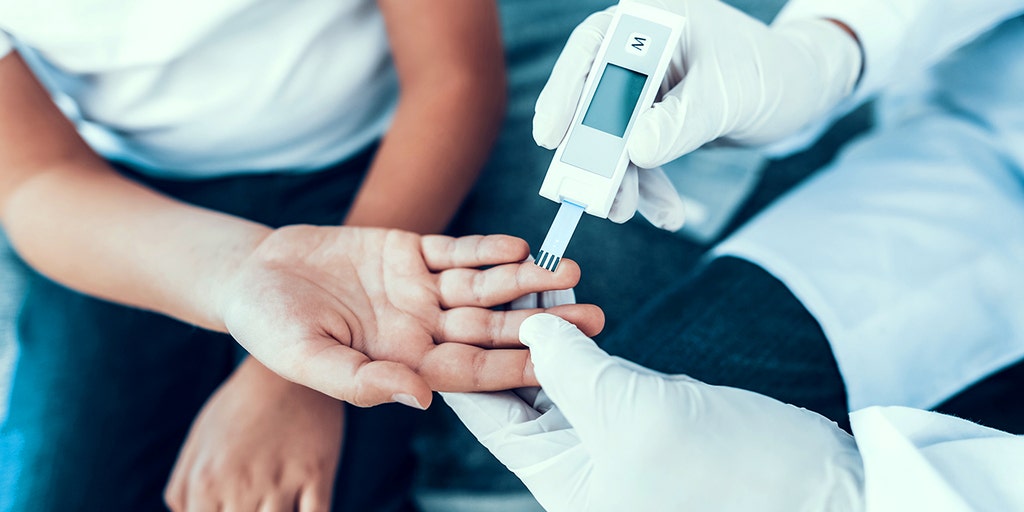
New Hope for Diabetes: Immune Reset Cures Mice

Scientists at Stanford School of Medicine have achieved a significant breakthrough in a mouse study, demonstrating a potential cure for diabetes. The research successfully reversed the disease in all tested diabetic mice by resetting their immune systems and fostering the creation of new insulin-making cells. This innovative approach involved a non-toxic conditioning treatment combined with specialized antibodies to reduce reactive T-cells, followed by stem cell and islet cell transplantation.

The study achieved 'mixed chimerism,' an environment where the mouse's body accepted both its own cells and donor immune cells, preventing diabetes development in pre-diabetic mice and curing those with long-standing type 1 diabetes. Importantly, the results showed no adverse effects like malignancy or immune depletion, despite the use of some radiation in the procedure.

This pioneering method, utilizing steps already applied in clinical settings for other conditions, holds considerable promise for human application. Experts express optimism that this 'gentler pre-conditioning approach' could not only transform type 1 diabetes treatment but also offer viable therapeutic options for autoimmune diseases such as lupus, and blood conditions like sickle cell anemia.

Disclaimer: This story has been auto-aggregated and auto-summarised by a computer program. This story has not been edited or created by the Feedzop team.
While the study was successful in mice, researchers are optimistic about its potential for human application, though further research and modifications are needed.
The approach involves resetting the immune system and transplanting bone marrow and insulin-making islet cells, creating a hybrid immune environment.
Yes, researchers believe this method could be viable for autoimmune diseases like lupus and blood conditions such as sickle cell anemia.

Read more news on

Healthside-arrow
trending

Michigan 100-vehicle pileup closes I-196

trending

Bills fire Sean McDermott

trending

Projected AP Top 25

trending

Russia's Kamchatka snow disaster

trending

Orlando weather: Cold front arrives

trending

NBA All-Star 2026 starters

trending

Aurora borealis visible in Pennsylvania

trending

Snow squalls hit Ontario

trending

US markets closed Monday

You may also like

Breathalyzer for Blood Sugar?

1 day ago • 20 reads

article image

Toxic 'Forever Chemicals' Raise Gestational Diabetes Risk

16 Jan • 43 reads

article image

Sunlight Boosts Diabetes Health

9 Jan • 45 reads

article image

Prediabetes Harms Heart Before Diabetes Sets In

15 Dec, 2025 • 192 reads

article image

Early GDM: A Higher Risk for Future Diabetes

14 Dec, 2025 • 182 reads

article image