Home / Health / Dense Breasts: A Hidden Cancer Risk?
Dense Breasts: A Hidden Cancer Risk?
13 Dec, 2025
Summary
- Dense breasts increase cancer risk and complicate detection.
- Mammograms are less sensitive in detecting cancer in dense tissue.
- New regulations inform women about their breast density status.
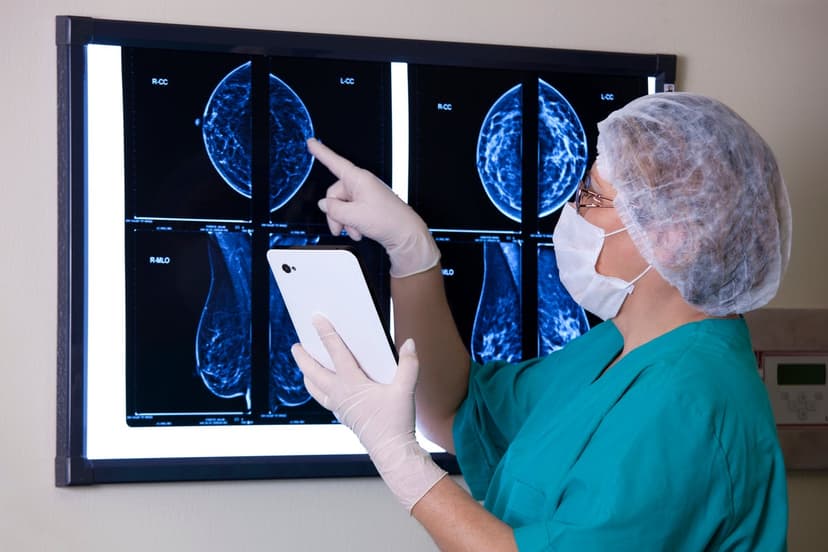
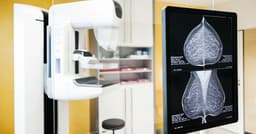
Breast density, a key indicator of breast cancer risk and screening effectiveness, is becoming a focus in women's health awareness. It refers to the composition of breast tissue, where higher proportions of glandular and connective tissue compared to fat are present.
This density poses a dual threat: it is linked to a significantly higher risk of developing breast cancer and also impedes early detection. On mammograms, dense tissue and tumors appear similarly white, potentially masking abnormalities and reducing screening sensitivity. This can result in interval cancers being diagnosed at later stages.
Recognizing these challenges, regulatory bodies are taking action. In the US, new rules mandate that women be informed about their breast density, encouraging proactive discussions with doctors about personalized risk assessments and the potential need for supplemental screening methods like MRI to improve detection rates.