

Home / Health / Breakthrough Tech Decodes Dengue Cell by Cell
Breakthrough Tech Decodes Dengue Cell by Cell
29 Apr
Summary
- New technologies like single-cell sequencing and AI are revolutionizing dengue research.
- A global scientific alliance, COMBAT, is working on improved dengue vaccines and treatments.
- Two promising dengue vaccines, DengiAll and Qdenga, are advancing with new trials and approvals.
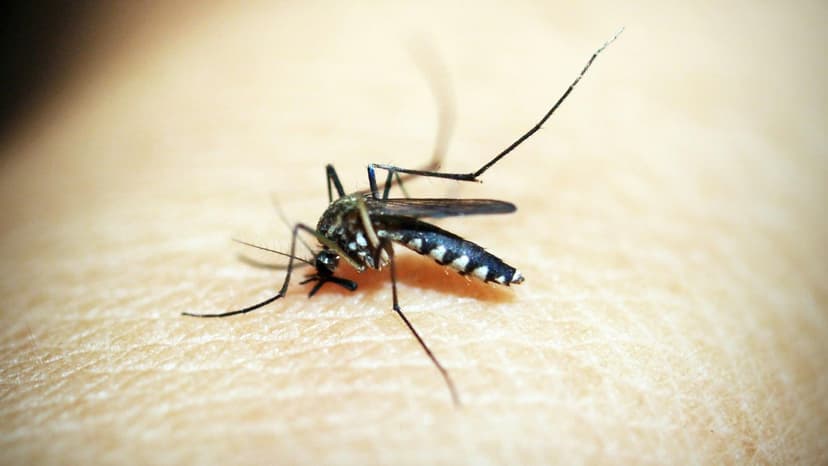
Scientists are deploying advanced technologies, including single-cell sequencing and AI, to study dengue at an unprecedented level. These tools allow for detailed analysis of virus-infected cells and the identification of protein biomarkers, promising to revolutionize understanding, diagnosis, and treatment of the disease.
The global scientific initiative COMBAT, a collaboration between India and Europe, is focused on decoding dengue's underlying mechanisms to improve vaccines and treatments. This research is supported by the European Union and India's Department of Biotechnology. The project aims to enhance public health infrastructure and surveillance strategies to combat growing dengue outbreak risks.
India's contribution involves advanced genomics and clinical expertise, with researchers studying genetic influences on infection risk and disease severity. High-resolution microscopy and organ-on-chip models are being utilized to observe infections in real-time and test treatments safely.
Significant progress is also being made in vaccine development. India's ICMR is conducting a Phase III trial for the DengiAll vaccine, while Takeda's Qdenga has received regulatory clearance in India for a broad age group, demonstrating high efficacy. Researchers are also exploring antiviral candidates and developing new diagnostic tools.
Developing dengue vaccines remains challenging due to phenomena like antibody-dependent enhancement and the existence of four distinct serotypes. A successful vaccine must provide balanced protection against all strains without increasing disease severity. The COMBAT project aims to address these fundamental immunological barriers.
Dengue incidence has risen dramatically worldwide, with climate change expanding mosquito habitats. Projections indicate a substantial increase in cases by mid-century, highlighting the urgency of these scientific advancements.
