feedzop-word-mark-logo
searchLogin
Feedzop
homeFor YouUnited StatesUnited States
You
bookmarksYour BookmarkshashtagYour Topics
Trending
trending

Raleigh Convention Center fire

trending

TSA Confirm.ID verification fee

trending

SpaceX launches Starlink satellites

trending

Andrew stripped of royal honors

trending

Puducherry schools closed, cyclone Ditwah

trending

JCPS defends school closure plan

trending

Oklahoma City school closings

trending

Ohio snow plow crash local

trending

Bay Area flood advisory

Terms of UsePrivacy PolicyAboutJobsPartner With Us

© 2025 Advergame Technologies Pvt. Ltd. ("ATPL"). Gamezop ® & Quizzop ® are registered trademarks of ATPL.

Gamezop is a plug-and-play gaming platform that any app or website can integrate to bring casual gaming for its users. Gamezop also operates Quizzop, a quizzing platform, that digital products can add as a trivia section.

Over 5,000 products from more than 70 countries have integrated Gamezop and Quizzop. These include Amazon, Samsung Internet, Snap, Tata Play, AccuWeather, Paytm, Gulf News, and Branch.

Games and trivia increase user engagement significantly within all kinds of apps and websites, besides opening a new stream of advertising revenue. Gamezop and Quizzop take 30 minutes to integrate and can be used for free: both by the products integrating them and end users

Increase ad revenue and engagement on your app / website with games, quizzes, astrology, and cricket content. Visit: business.gamezop.com

Property Code: 5571

Home / Health / Dementia's 'Go Home' Plea: Psychologist Explains

Dementia's 'Go Home' Plea: Psychologist Explains

30 Nov

•

Summary

  • The phrase 'to go home' from dementia patients may signal anxiety or safety concerns.
  • Dr. Kellyn Lee suggests the phrase could indicate a patient doesn't recognize their current setting as home.
  • Supporting dementia patients requires understanding individual contexts and potential feelings of unsafety.
Dementia's 'Go Home' Plea: Psychologist Explains

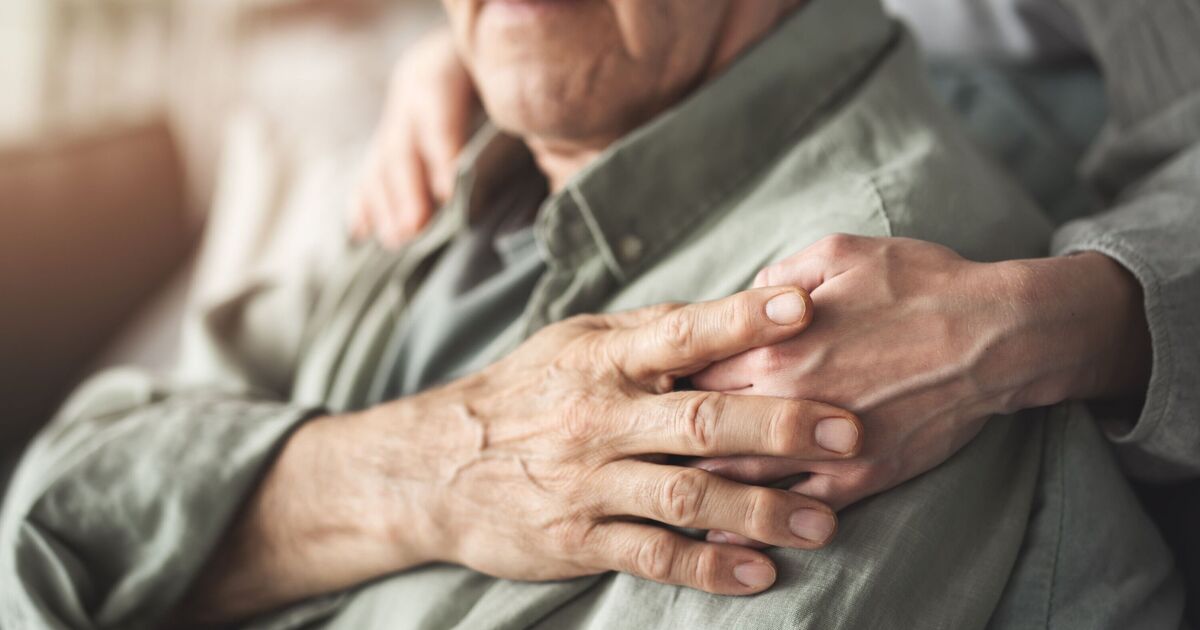
Psychologist Dr. Kellyn Lee has shed light on the potential meanings behind a dementia patient's plea to 'go home'. While cautioning against broad generalizations, she suggests such statements often arise from underlying anxiety or concerns about personal safety. The expert's view highlights that for individuals with dementia, the feeling of home is paramount.

In a recent online video, Dr. Lee, CEO of the Dementia Care Hub, addressed viewer questions about this specific expression. She elaborated that if a person with dementia asks to go home, it could signify a lack of feeling safe in their present surroundings. This insight is vital for caregivers seeking to provide appropriate comfort and security.

Furthermore, Dr. Lee pointed out that even in a care home setting, the 'go home' request might mean the individual no longer perceives their current location as their actual home. Recognizing and validating these feelings, rather than dismissing them, is a key aspect of compassionate dementia care, emphasizing the need for personalized support.

Disclaimer: This story has been auto-aggregated and auto-summarised by a computer program. This story has not been edited or created by the Feedzop team.
Dr. Kellyn Lee suggests the phrase might indicate anxiety, safety concerns, or a lack of recognition of their current environment as home.
This can stem from feeling unsafe or not recognizing their present location as their actual home, reflecting underlying emotional distress.
Support involves understanding their potential anxiety or feeling of unsafety and acknowledging their perception of their surroundings, rather than dismissing the statement.

Read more news on

Healthside-arrow

You may also like

Care Home Knits Record-Breaking Giant Scarf

2 hours ago • 2 reads

article image

Don't Wait: Seek Alzheimer's Help Early, Says Family

29 Nov • 17 reads

article image

Man's Stroke Mimics Choking, Defying Age and Odds

22 Nov • 59 reads

article image

Family's ME Battle Fuels Call for Better Care

21 Nov • 48 reads

article image

Innovative Surgery Treats Man's Rare Brain Condition, Restores Vision

15 Nov • 80 reads

article image