Home / Health / Dementia Drugs: A Chemical Cover-Up?
Dementia Drugs: A Chemical Cover-Up?
10 Nov
Summary
- Dementia behaviors often signal unmet needs, not just symptoms.
- Psychotropic drugs are used as chemical restraints in nursing homes.
- Non-drug approaches are effective but underutilized for dementia care.
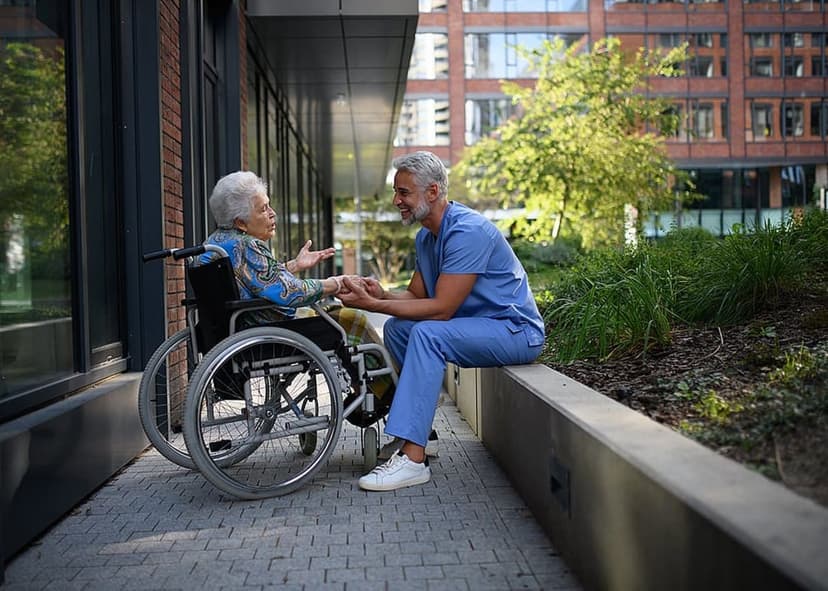
Dementia-related behaviors are being reframed as communications of unmet needs, moving beyond viewing them solely as symptoms to suppress. Despite FDA warnings about severe risks, antipsychotic medications are frequently administered in U.S. nursing homes. Federal reports from November 2026 highlight their continued use as 'chemical restraints,' often bypassing required non-pharmacological interventions. Some facilities even misdiagnose schizophrenia to hide high prescribing rates.
Antipsychotic use among older adults (65+) rose nearly 52% between 2015 and 2024, with long-term use increasing by almost 65%. While marginally effective, these drugs sedate rather than address distress. Non-drug approaches like music therapy and exercise show comparable or better results, yet staffing shortages and economic pressures make medication the default. Efforts like the DICE approach aim to investigate behaviors' root causes, but systemic challenges persist.
Concerns exist that new regulations and medications, like Auvelity approved in April 2026 for agitation, may further encourage medication over person-centered care. Advocates stress that adequate staffing, training, and individualized care are crucial. For families, the struggle is about dignity and ensuring loved ones are treated as individuals with emotions and needs, not just disruptions to be managed.


