Home / Health / Delhi's Health Crisis: Beyond Smog Emergencies
Delhi's Health Crisis: Beyond Smog Emergencies
1 Jan
Summary
- Year-round air quality issues cause major respiratory and heart diseases.
- Hospitals face challenges due to shortages of specialists and trained staff.
- Focus must shift to prevention, early detection, and environmental action.

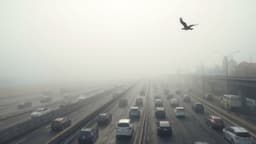
As of January 1, 2026, Delhi grapples with a severe healthcare challenge exacerbated by pervasive air pollution, which contributes significantly to respiratory and cardiovascular diseases, making it a leading cause of concern. This environmental hazard, coupled with a persistent shortage of crucial medical personnel like radiologists and specialists, strains the city's hospital infrastructure. Many facilities remain underutilized due to a lack of adequate staffing.
Looking ahead to 2026, a pivotal shift towards preventive healthcare is essential. This strategy must extend beyond hospital walls, prioritizing clean air, safe water, and accessible spaces for physical activity. Aggressive screening for non-communicable diseases such as diabetes, hypertension, and cancer is also vital, especially for economically weaker sections, ensuring timely intervention through accessible services.
Furthermore, the immense pressure on tertiary hospitals requires immediate attention. Strengthening primary healthcare centers is key to managing patient flow, ensuring that only necessary cases are referred to specialized facilities. Initiatives focusing on elderly-friendly hospital designs, outreach programs, and home-based care models are also crucial for this growing demographic.