feedzop-word-mark-logo
searchLogin
Feedzop
homeFor YouUnited StatesUnited States
You
bookmarksYour BookmarkshashtagYour Topics
Trending
trending

West Ham frustrates Manchester United

trending

Lazio defeats AC Milan

trending

Cold moon visible tonight

trending

Eduardo Manzano, Mexican comedian, dies

trending

Arkansas hires Ron Roberts

trending

Williams give MSU $401M

trending

Heidi Klum FIFA World Cup

trending

Market resilience on the rise

trending

Netflix to own Warner Bros.

Terms of UsePrivacy PolicyAboutJobsPartner With Us

© 2025 Advergame Technologies Pvt. Ltd. ("ATPL"). Gamezop ® & Quizzop ® are registered trademarks of ATPL.

Gamezop is a plug-and-play gaming platform that any app or website can integrate to bring casual gaming for its users. Gamezop also operates Quizzop, a quizzing platform, that digital products can add as a trivia section.

Over 5,000 products from more than 70 countries have integrated Gamezop and Quizzop. These include Amazon, Samsung Internet, Snap, Tata Play, AccuWeather, Paytm, Gulf News, and Branch.

Games and trivia increase user engagement significantly within all kinds of apps and websites, besides opening a new stream of advertising revenue. Gamezop and Quizzop take 30 minutes to integrate and can be used for free: both by the products integrating them and end users

Increase ad revenue and engagement on your app / website with games, quizzes, astrology, and cricket content. Visit: business.gamezop.com

Property Code: 5571

Home / Health / Tiny Terrors: Insects Causing Global Health Crises

Tiny Terrors: Insects Causing Global Health Crises

1 Dec

•

Summary

  • Mosquitoes spread malaria, dengue, and Zika, causing over 700,000 deaths annually.
  • The assassin caterpillar's venom interferes with blood clotting, leading to fatalities.
  • Locusts don't kill directly but cause deadly famines by destroying crops.
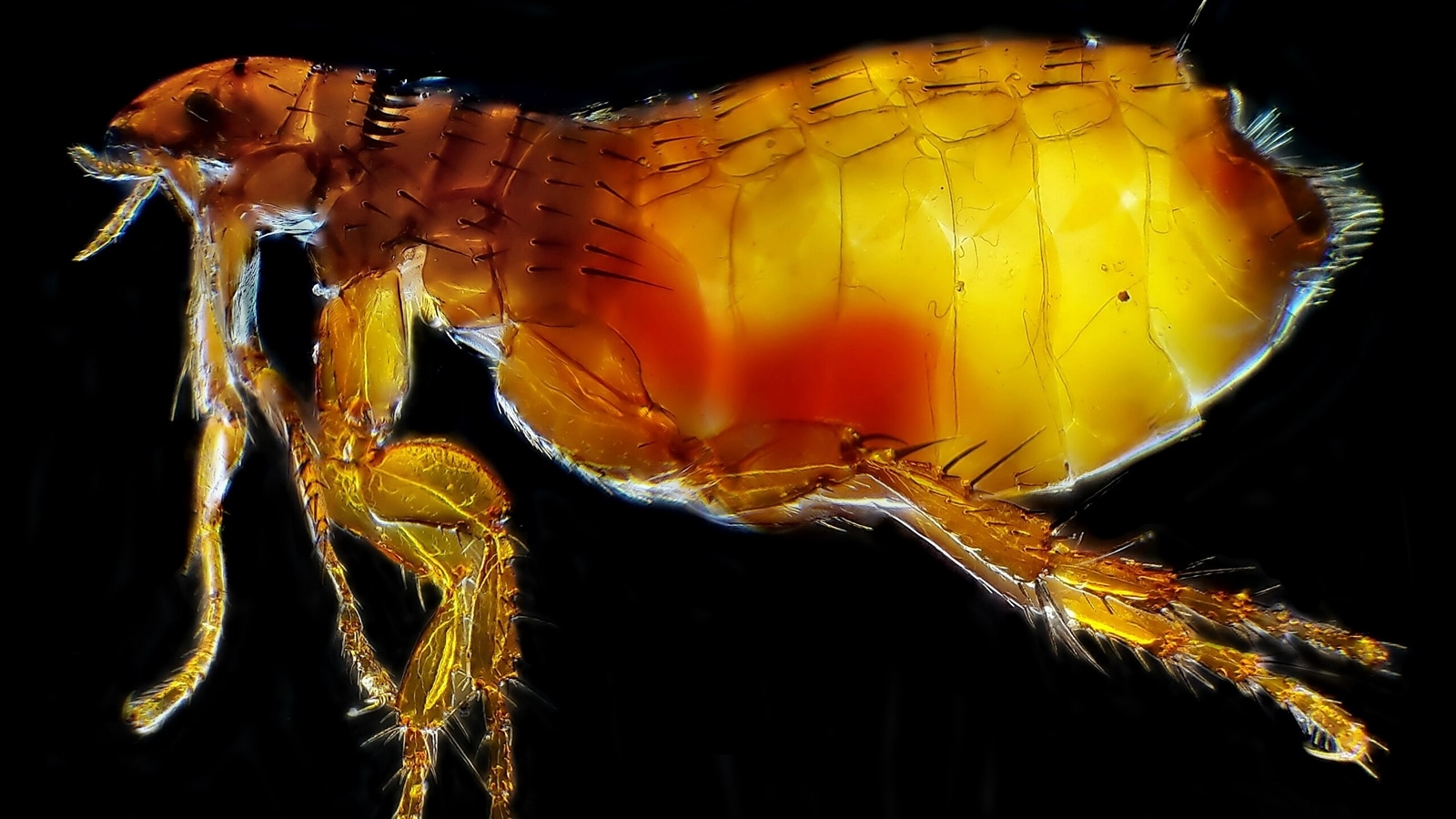
Tiny Terrors: Insects Causing Global Health Crises

Many of the world's most dangerous creatures are not large predators but rather small, six-legged insects. These insects contribute to significant global health crises and fatalities through various means, including disease transmission and venomous attacks.

Mosquitoes stand out, with certain species transmitting malaria, dengue fever, and Zika virus, collectively causing an estimated 700,000 deaths annually. The tsetse fly and kissing bug spread African sleeping sickness and Chagas disease, respectively, which can lead to severe health complications and death. Even historically significant pests like fleas were responsible for the Black Death, and can still transmit plague and typhus.

Beyond disease vectors, some insects possess deadly venom or can cause indirect harm. Bees, wasps, and hornets can be fatal to allergic individuals, while aggressive species like Africanised bees and Asian giant hornets pose swarming and potent venom threats. Fire ants and jack jumper ants can cause deadly allergic reactions. The assassin caterpillar's venom is particularly dangerous, preventing blood clotting. While locusts do not directly harm humans, their destructive swarms cause famines, resulting in countless deaths throughout history.


Disclaimer: This story has been auto-aggregated and auto-summarised by a computer program. This story has not been edited or created by the Feedzop team.
Mosquitoes are responsible for the most human deaths annually, primarily through the diseases they transmit like malaria and dengue.
The assassin caterpillar, specifically Lonomia obliqua, has venom that prevents blood clotting, leading to fatal internal bleeding.
Locusts cause widespread crop destruction, leading to famines and food shortages that have historically resulted in countless deaths.

Read more news on

Healthside-arrow

You may also like

Stay Warm & Safe: Your Winter Survival Guide

3 Dec • 15 reads

article image

Swine Fever Threatens Spain's Billion-Euro Pork Exports

1 Dec • 20 reads

article image

Brazil Zika Moms Win Landmark Reparations

29 Nov • 23 reads

article image

Bird Flu Surges Early Across Continents

28 Nov • 67 reads

article image

Fever's Secret: Mouse Study Reveals Temperature's Power

28 Nov • 82 reads

article image