Home / Health / Tiny Terrors: Insects Causing Global Health Crises
Tiny Terrors: Insects Causing Global Health Crises
1 Dec
Summary
- Mosquitoes spread malaria, dengue, and Zika, causing over 700,000 deaths annually.
- The assassin caterpillar's venom interferes with blood clotting, leading to fatalities.
- Locusts don't kill directly but cause deadly famines by destroying crops.
Many of the world's most dangerous creatures are not large predators but rather small, six-legged insects. These insects contribute to significant global health crises and fatalities through various means, including disease transmission and venomous attacks.
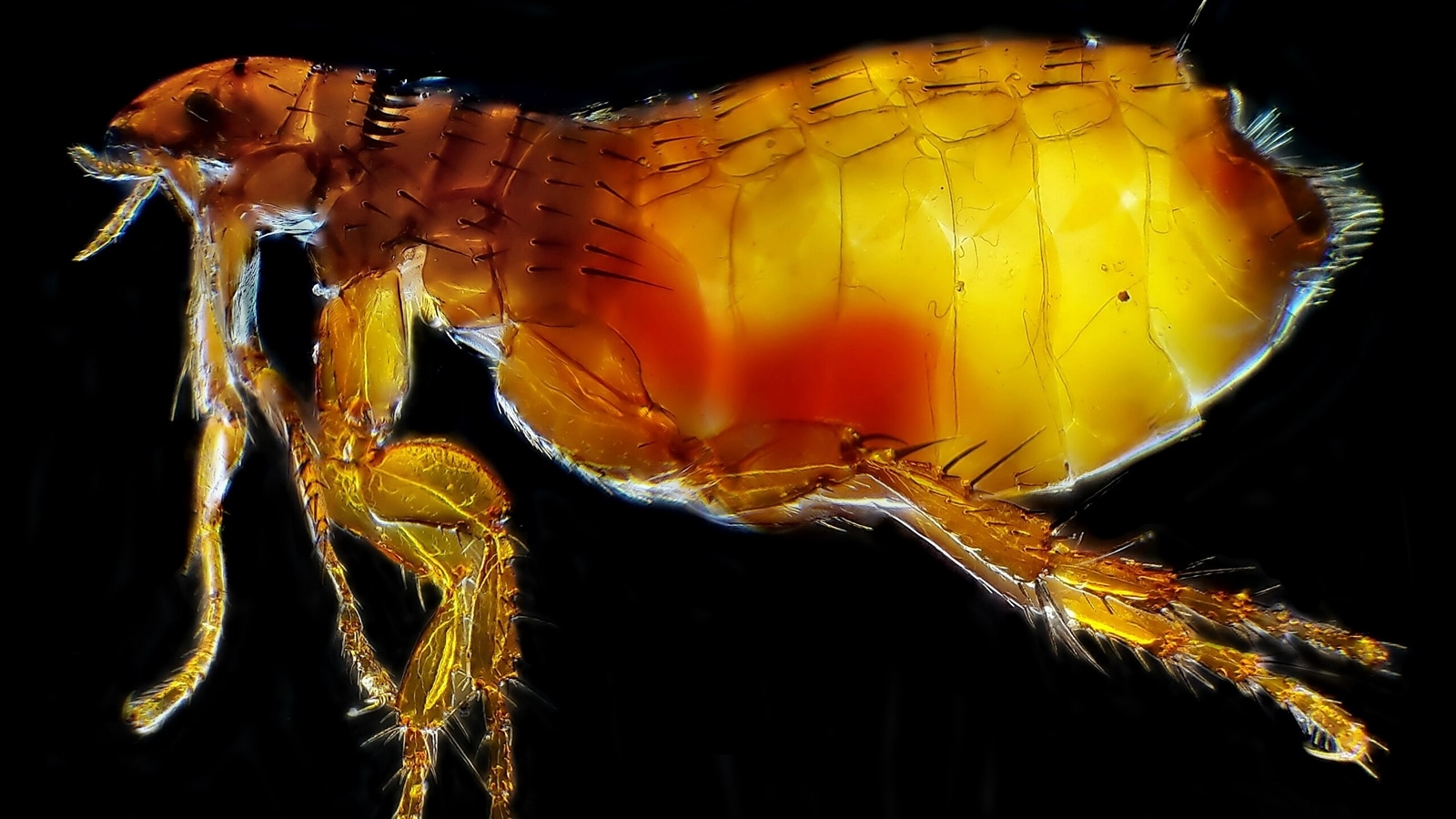
Mosquitoes stand out, with certain species transmitting malaria, dengue fever, and Zika virus, collectively causing an estimated 700,000 deaths annually. The tsetse fly and kissing bug spread African sleeping sickness and Chagas disease, respectively, which can lead to severe health complications and death. Even historically significant pests like fleas were responsible for the Black Death, and can still transmit plague and typhus.
Beyond disease vectors, some insects possess deadly venom or can cause indirect harm. Bees, wasps, and hornets can be fatal to allergic individuals, while aggressive species like Africanised bees and Asian giant hornets pose swarming and potent venom threats. Fire ants and jack jumper ants can cause deadly allergic reactions. The assassin caterpillar's venom is particularly dangerous, preventing blood clotting. While locusts do not directly harm humans, their destructive swarms cause famines, resulting in countless deaths throughout history.