Home / Health / CPR: Life-Saving Technique Explained
CPR: Life-Saving Technique Explained
7 Dec, 2025
Summary
- CPR manually maintains heart function and breathing during emergencies.
- Two types of CPR: Hands-Only and CPR with rescue breaths.
- CPR risks include rib fractures but are outweighed by saving lives.
Cardiopulmonary resuscitation (CPR) is an essential emergency technique designed to sustain a person's heartbeat and breathing until professional medical help arrives. Performing CPR promptly can dramatically improve survival rates, offering a crucial intervention during life-threatening events.
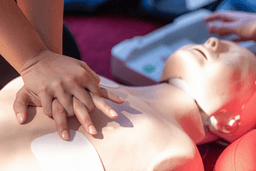
The procedure involves manual chest compressions to circulate blood and, in some cases, rescue breaths to oxygenate the body. Organizations like the American Heart Association have guided its development, emphasizing a sequence of compressions, airway, and breathing. Two main types exist: Hands-Only CPR and CPR with breaths, with hands-only being as effective in initial minutes for adults.
CPR should be initiated when an individual is unresponsive, not breathing normally, and lacks a pulse, such as during a heart attack or drowning. While the technique can lead to injuries like broken ribs, these risks are considered secondary to the primary goal of saving a life, making CPR knowledge vital for public safety.