Home / Health / Coronary Thrombosis: Unmasking the Silent Killer
Coronary Thrombosis: Unmasking the Silent Killer
12 Oct
Summary
- Coronary thrombosis is a blood clot forming in heart arteries.
- Plaque rupture can suddenly block blood flow to the heart.
- Chest discomfort, breathlessness, and fatigue are potential warning signs.
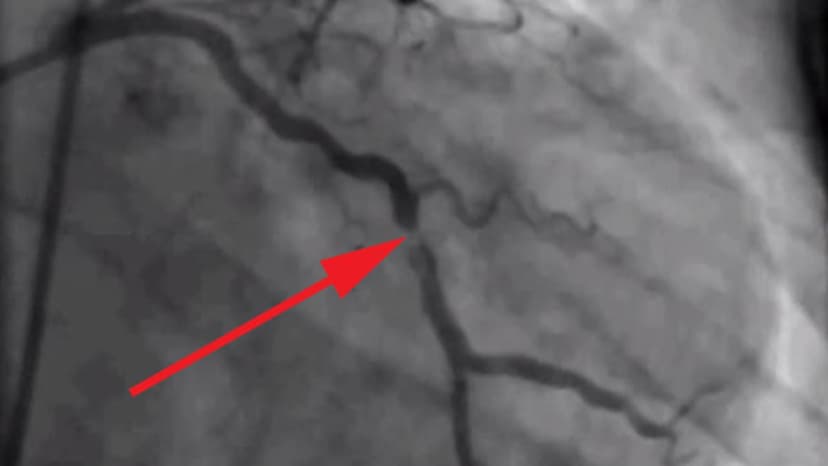
Coronary thrombosis involves the formation of blood clots within the arteries supplying the heart muscle. This condition occurs when fatty deposits, known as plaques, build up in artery walls over time.
A rupture or erosion of these plaques can trigger platelets to gather, initiating the clotting process. This clot can then obstruct blood flow, potentially leading to a heart attack if blood supply is significantly reduced.
Symptoms may include chest discomfort, pressure, or tightness, potentially spreading to other body parts. Breathlessness, sweating, nausea, and fatigue can also occur, though some may experience no distinct warning signs.
Individuals with coronary artery disease are at higher risk, as are those with risk factors such as smoking, high blood pressure, diabetes, and physical inactivity. Older age and a family history of heart disease also increase susceptibility.
Diagnosis involves assessing symptoms, medical history, and utilizing tests like electrocardiograms (ECG) and blood tests for cardiac troponin. Coronary angiography can visualize blockages for precise identification.
Treatment focuses on restoring blood flow and preventing further clot formation. Options include angioplasty with stenting, antiplatelet and anticoagulant medications, clot-dissolving drugs, or bypass surgery, alongside managing underlying risk factors.


