Home / Health / Traffic Stress: The Invisible Health Risk
Traffic Stress: The Invisible Health Risk
21 Mar
Summary
- Daily commutes exceeding two hours act as significant stress triggers.
- Commuting contributes to high blood pressure and heart disease risks.
- Poor air quality during commutes further burdens lungs and heart.

Extended daily commutes, frequently spanning two to three hours, constitute a significant source of stress that negatively impacts urban dwellers' health. The combination of traffic congestion, noise pollution, and poor air quality creates a constant biological stress response. This sustained exposure can elevate heart rate and blood pressure, increasing the risk of heart disease and respiratory problems.
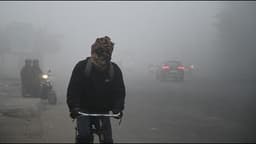
Vehicular emissions are a major contributor to urban air pollution, with PM2.5 levels peaking during traffic hours. These fine particles can enter the bloodstream, triggering inflammation and further stressing the heart. Individuals traveling by two-wheeler or in non-air-conditioned transport are particularly vulnerable to inhaling higher concentrations of pollutants, leading to airway irritation and potential long-term respiratory issues.
The brain perceives traffic as a threat, leading to elevated cortisol levels due to unpredictability and sensory overload. This chronic stress can affect cognitive function and leave individuals feeling mentally drained. Furthermore, prolonged sitting during commutes contributes to sedentary behavior, which is linked to an increased risk of chronic diseases, often negating the benefits of physical activity elsewhere in the day.