feedzop-word-mark-logo
searchLogin
Feedzop
homeFor YouUnited StatesUnited States
You
bookmarksYour BookmarkshashtagYour Topics
Trending
Terms of UsePrivacy PolicyAboutJobsPartner With Us

© 2026 Advergame Technologies Pvt. Ltd. ("ATPL"). Gamezop ® & Quizzop ® are registered trademarks of ATPL.

Gamezop is a plug-and-play gaming platform that any app or website can integrate to bring casual gaming for its users. Gamezop also operates Quizzop, a quizzing platform, that digital products can add as a trivia section.

Over 5,000 products from more than 70 countries have integrated Gamezop and Quizzop. These include Amazon, Samsung Internet, Snap, Tata Play, AccuWeather, Paytm, Gulf News, and Branch.

Games and trivia increase user engagement significantly within all kinds of apps and websites, besides opening a new stream of advertising revenue. Gamezop and Quizzop take 30 minutes to integrate and can be used for free: both by the products integrating them and end users

Increase ad revenue and engagement on your app / website with games, quizzes, astrology, and cricket content. Visit: business.gamezop.com

Property Code: 5571

Home / Health / Gut Stiffness Linked to Early Colon Cancer Rise

Gut Stiffness Linked to Early Colon Cancer Rise

21 Jan

•

Summary

  • Colon tissue in young patients became unusually stiff and rigid.
  • Stiffened tissue speeds cell multiplication, increasing mutation risk.
  • Chronic inflammation alters collagen, causing colon rigidity and fibrosis.
Gut Stiffness Linked to Early Colon Cancer Rise

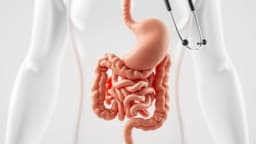
A groundbreaking study suggests a concerning increase in colon cancer among younger individuals could be tied to a stiffened colon. Researchers at UT Southwestern observed that tissue in young colon cancer patients exhibited unusual rigidity.

This stiffness reportedly accelerates cell multiplication and elevates the risk of dangerous mutations. Chronic inflammation, which alters the colon's collagen structure, is identified as the driver of this rigidity, potentially leading to scarring and further cell growth.

While the exact trigger for chronic inflammation remains unclear, potential factors include poor diet, smoking, and certain gastrointestinal conditions. The study, published in Advanced Science, analyzed tissue samples from 33 colon cancer patients, comparing those under 50 with older patients.

trending

Severe geomagnetic storm alert

trending

Karamo Brown fears being bullied

trending

Club Brugge defeats Kairat

trending

Orlovsky trolls Patriots, Stroud

trending

Rockets face Spurs Tuesday night

trending

Kent State vs Miami

trending

Bill Callahan joins Falcons

trending

Sharks vs Lightning watch guide

trending

Real Madrid vs. Monaco time

Findings indicate denser, longer collagen in younger patients' tumors, contributing to rigidity. Experiments with colon cancer cells in petri dishes on varying stiffness levels confirmed faster multiplication on stiffer surfaces. This research marks a significant step toward identifying at-risk individuals and developing new prevention and treatment strategies for early-onset colorectal cancer.

Disclaimer: This story has been auto-aggregated and auto-summarised by a computer program. This story has not been edited or created by the Feedzop team.
Researchers found that the colon tissue in young colon cancer patients had become unusually stiff and rigid.
Chronic inflammation can alter collagen, a key structural protein, making the colon rigid. This rigidity speeds cell multiplication and increases mutation risk.
While not definitively identified, potential triggers for chronic inflammation include poor diet, smoking, lack of sleep, and chronic gastrointestinal conditions.

Read more news on

Healthside-arrow

You may also like

UK Cancer Deaths Fall, Except for Bowel Cancer

19 Jan • 12 reads

article image

Cancer Survival Soars, But Gaps Persist

14 Jan • 39 reads

article image

Young Woman's Shock Stage 4 Colon Cancer Diagnosis

12 Jan • 39 reads

article image

10-Min Workout Slashes Bowel Cancer Risk

4 Jan • 107 reads

article image

Alcohol's Hidden Cancer Link: Even Small Sips Raise Risk

21 Dec, 2025 • 128 reads

article image