Home / Health / Pet Obesity Crisis: China Approves Cat Drug
Pet Obesity Crisis: China Approves Cat Drug
2 Feb
Summary
- Up to 30% of Chinese cats and dogs are overweight.
- A new GIP/GLP-1 drug aims to manage feline weight.
- Huadong Medicine's drug showed nearly 10% weight loss in trials.
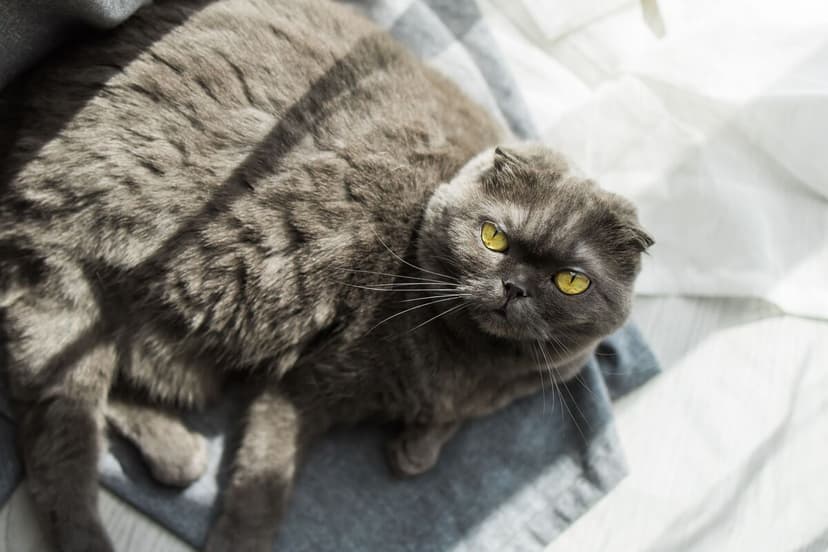
China is experiencing a surge in pet ownership, leading to widespread pet obesity. A recent survey indicated that as many as 30% of pet dogs and cats in the country are overweight or obese. This trend is occurring even as China's human birth rates decline, with projections suggesting pets will significantly outnumber toddlers by 2030.
In response, Huadong Medicine has submitted a marketing application for a novel GIP/GLP-1 drug aimed at managing feline obesity. This weekly injectable treatment is designed to help cats manage their body weight by curbing appetite and enhancing metabolism. Early clinical results reported by the company showed that cats treated with the dual-acting drug lost nearly 10% of their body weight on average over a six-week period. Huadong Medicine also stated that the drug demonstrated a favorable safety profile, with no adverse reactions observed in the trial participants, and indicated that similar drugs for dogs are under development.
This initiative by Huadong Medicine follows earlier efforts in the pet weight-loss market. Pfizer previously offered a weight-loss drug for dogs, which was later discontinued due to side effects and limited market demand. More recently, Okava Pharmaceuticals has been developing an implantable GLP-1 drug delivery system for obese cats, with the first cat reportedly receiving a dose in December. Public reaction in China shows interest mixed with caution, with many pet owners expressing concerns about potential side effects and the cost of such treatments.