Home / Health / War's Hidden Scars: Millions of Children Face Mental Health Crisis
War's Hidden Scars: Millions of Children Face Mental Health Crisis
3 Mar
Summary
- 22% of individuals in conflict zones suffer mental disorders like depression and PTSD.
- Nearly 473 million children globally live in areas affected by war and violence.
- Gaza reports alarming rates of depression (72.7%) and PTSD (83.5%) due to conflict.
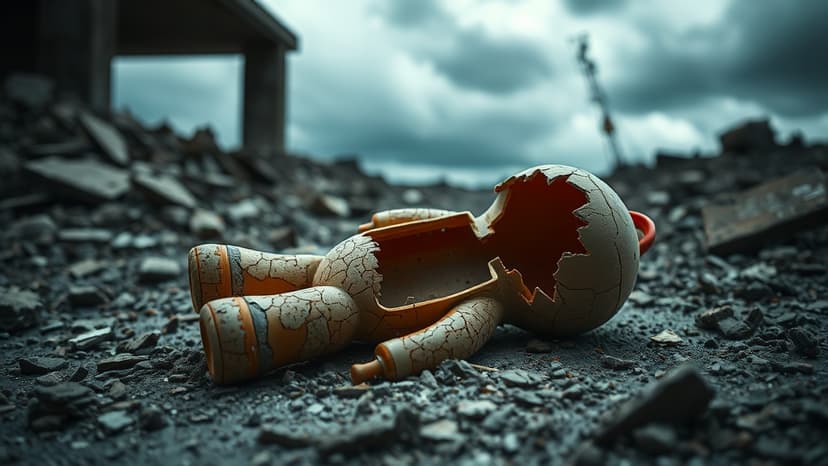
The psychological toll of war extends deeply into the lives of civilians, particularly children. Globally, 22% of individuals residing in conflict-affected regions grapple with mental health conditions such as anxiety, depression, and post-traumatic stress disorder (PTSD), according to the WHO. UNICEF estimates that almost 473 million children currently live in areas impacted by conflict.
Emerging evidence from Iran indicates a significant mental health burden, with around 40% of children and adolescents needing psychosocial support. In Gaza, continuous warfare has resulted in exceptionally high rates of depression (72.7%), anxiety (65%), and probable PTSD (83.5%) across all age groups.
The Russian-Ukraine conflict also demonstrates profound mental health impacts, with Ukrainians experiencing heightened stress, anxiety, and PTSD symptoms. Studies show feelings of helplessness and severe psychological distress have nearly tripled among affected populations.
Children in conflict zones are especially vulnerable, facing increased risks of depression, anxiety, and PTSD due to violence, displacement, and loss. These psychological impacts are exacerbated by collapsing healthcare systems and limited access to mental health services in war-torn regions.
Organizations like the WHO and UNICEF advocate for integrated Mental Health and Psychosocial Support (MHPSS) frameworks within humanitarian responses. Community-based support and trauma-informed care are crucial for mitigating long-term harm and fostering recovery among conflict-affected populations.