Home / Health / UNICEF: Early Action Key to Child NCDs
UNICEF: Early Action Key to Child NCDs
23 Feb
Summary
- Non-communicable diseases (NCDs) in children require a multi-sectoral, rights-based approach.
- Addressing childhood NCD risk factors early prevents adult onset diseases.
- Childhood-onset NCDs pose significant financial burdens on families.
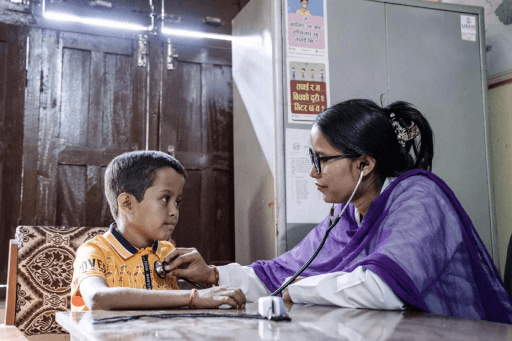
Non-communicable diseases (NCDs) in children are a growing concern, requiring a comprehensive approach beyond the health sector. UNICEF emphasizes that tackling these conditions necessitates a multi-sectoral strategy, integrating health, social services, and civil society. This collaborative effort ensures all stakeholders, including those with lived experiences, contribute to decision-making.
Traditionally, NCD prevention focused on adults, overlooking the critical window of childhood and adolescence. Risk factors for adult NCDs are often established early in life, making childhood the optimal time for intervention. Early-onset NCDs like Type 1 diabetes, congenital heart disease, and developmental disabilities present substantial challenges, including significant financial burdens on families due to costly treatments.
Kerala is actively working to address these challenges, with UNICEF expressing a desire to support the State Commission for Protection of Child Rights. The aim is to develop an innovative global health agenda for children and young people, which could serve as a replicable model for other Indian states and countries. This initiative underscores the need for early intervention and a rights-based approach to child health.


