Home / Health / Chernobyl Offspring: Radiation's Hidden Genetic Scars
Chernobyl Offspring: Radiation's Hidden Genetic Scars
16 Feb
Summary
- Offspring of Chernobyl clean-up workers show clustered DNA mutations.
- Mutations found are not directly inherited but indicate parental DNA damage.
- Despite genetic changes, children show no increased disease risk.
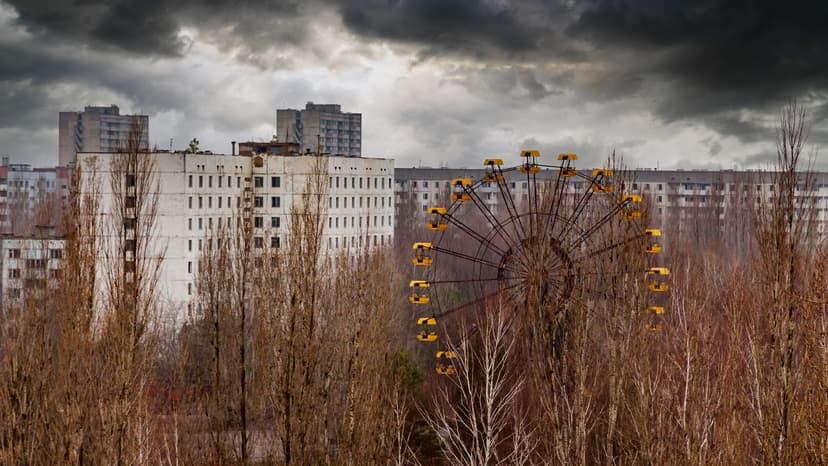
Nearly four decades after the Chernobyl nuclear disaster, a groundbreaking study by the University of Bonn in Germany has revealed a significant impact on the genetic makeup of the offspring of "liquidators"—the workers who cleaned up the toxic site. The research focused on clustered de novo mutations (cDNMs), which are two or more mutations close together and absent in parents but present in their children. These cDNMs are believed to stem from breaks in parental DNA caused by radiation exposure.
The study found a notable increase in cDNMs among children conceived after the 1986 disaster, suggesting a link between parental radiation exposure and these specific genetic alterations. Researchers noted a potential association between the estimated radiation dose received by the parents and the number of cDNMs observed in their children. This marks the first study of its kind to screen whole genomes of offspring conceived post-disaster.
Despite the discovery of these genetic changes, the findings indicate that the associated health risks for the children are relatively small. The study did not identify any elevated risk of disease in the offspring of exposed parents. This offers some reassurance regarding the long-term health consequences for the generation born after the world's worst nuclear accident, though the genetic legacy of the event is now more evident.
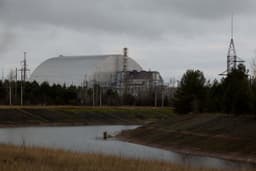
The Chernobyl disaster in Ukraine in 1986 scattered radioactive material across Europe. It led to immediate deaths and exposed hundreds of thousands of "liquidators" to high radiation doses during extensive clean-up operations. Millions in Belarus, Russia, and Ukraine were exposed, contaminating vast areas of land. Today, while radiation levels have decreased, the Chernobyl Exclusion Zone remains hazardous, with ongoing monitoring and maintenance activities.