Home / Health / Chandigarh Stroke Care: Time Lost, Lives at Risk
Chandigarh Stroke Care: Time Lost, Lives at Risk
13 Mar
Summary
- Hospital stopped administering life-saving Alteplase drug since 2022.
- Stroke patients are referred to PGIMER, losing critical treatment time.
- Chandigarh lags in stroke care compared to neighboring states.

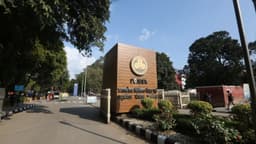
In Chandigarh, a critical lapse in stroke care is putting patients at risk. Since 2022, Government Multi-Specialty Hospital (GMSH), Sector 16, has stopped administering Alteplase, a vital drug for treating ischemic strokes. This drug must be given within a narrow three-to-four-hour window to prevent paralysis or death.
Instead of receiving immediate treatment, stroke patients are currently being referred to the Post Graduate Institute of Medical Education and Research (PGIMER). This referral process results in significant delays, allowing irreversible brain damage to occur. Experts emphasize that secondary-level hospitals like GMSH-16 are crucial for prompt intervention under the hub-and-spoke model.
Prior to the COVID-19 pandemic, GMSH-16 had a robust stroke management program, offering free Alteplase injections and managing many cases effectively. However, the program declined after 2020. This contrasts with neighboring states like Punjab, which have expanded stroke care services in district hospitals, highlighting Chandigarh's apparent decline in this area.