Home / Health / Central Florida: A Hotspot for Rare Leprosy Cases
Central Florida: A Hotspot for Rare Leprosy Cases
20 Jul
Summary
- Volusia County reports two leprosy cases this year, higher than many US areas.
- Central Florida has a notable concentration of leprosy cases, cause unknown.
- Leprosy remains rare, treatable with antibiotics if diagnosed early.
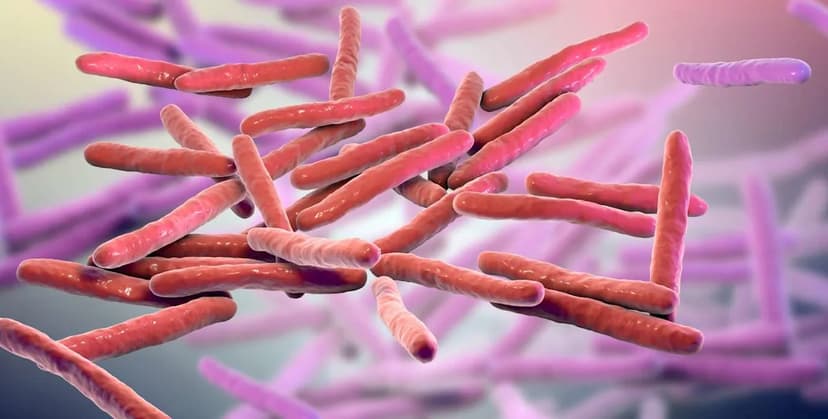
Central Florida is experiencing a higher concentration of leprosy cases than many other regions in the United States. As of July 11, Florida has reported 17 cases statewide this year, with Volusia County accounting for two. Several other counties in Central Florida, including Orange, Seminole, and Lake, have also reported cases.
Researchers are unable to pinpoint a definitive cause for this concentration in Central Florida, though animal exposure and environmental factors are considered potential contributors. Despite the unusual cluster, leprosy remains a rare disease, and the risk to the general public is considered low. Experts emphasize that early diagnosis and treatment with standard antibiotics are highly effective in managing the illness and preventing serious complications.
Leprosy, also known as Hansen's disease, is not easily spread; approximately 95% of people are naturally immune. Transmission requires close and prolonged contact, and patients are no longer contagious after one week of treatment. Armadillos are known carriers of the bacteria that causes leprosy, suggesting potential transmission through soil contact.
While the disease is treatable, understanding its patterns in areas like Central Florida is crucial for public health awareness. The possibility of leprosy becoming endemic in Central Florida has been speculated, meaning the disease could sustain itself within the local environment without new introductions from outside the area. However, this remains unproven. Common myths, such as body parts falling off, are inaccurate; though surgical amputations may sometimes be necessary for nonhealing wounds.


