Home / Health / Cellulitis: The Hidden Skin Threat You Can't Ignore
Cellulitis: The Hidden Skin Threat You Can't Ignore
1 Jan
Summary
- Cellulitis is a bacterial infection affecting skin tissues.
- Antibiotics are the primary treatment, but severe cases need hospitalization.
- New research highlights lingering discomfort even after treatment.
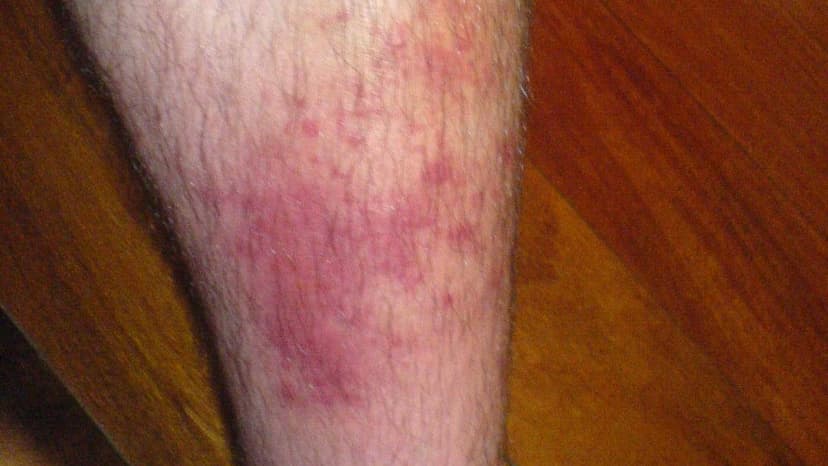
Cellulitis is a common bacterial infection that affects the subcutaneous tissues, frequently presenting on the legs, feet, and toes, though it can appear elsewhere on the body. This condition, primarily caused by streptococcus and staphylococcus bacteria, arises when bacteria enter the system through broken skin or wounds, posing a higher risk to those with compromised immune systems. Early symptoms include redness, warmth, swelling, and tenderness, potentially escalating to fever, chills, and fatigue if left untreated.
Treatment typically involves a course of oral antibiotics, with severe infections necessitating hospitalization and intravenous antibiotics. Preventing relapses relies on maintaining good skin hygiene, including regular hand washing, proper nail care, and keeping wounds clean. While cellulitis is not contagious, its progression to the lymph nodes and bloodstream can lead to serious complications requiring immediate medical attention.
Recent research has shed light on the recovery process, revealing that while swelling and inflammation markers significantly decrease within ten days of antibiotic treatment, over half of patients report residual discomfort in the affected leg. Approximately 14% experience severe pain. Home care strategies such as warm compresses, leg elevation, and compression socks can help manage lingering symptoms, but consulting a doctor remains essential for proper diagnosis and complete treatment.