Home / Health / Car Air Recirculation: Sleepy Driver Risk
Car Air Recirculation: Sleepy Driver Risk
28 Nov
Summary
- Stale car air with rising CO2 levels causes sleepiness and reduced alertness.
- Recirculation mode can increase CO2 sharply within one to two hours.
- Driver fatigue from poor ventilation significantly raises accident risk.
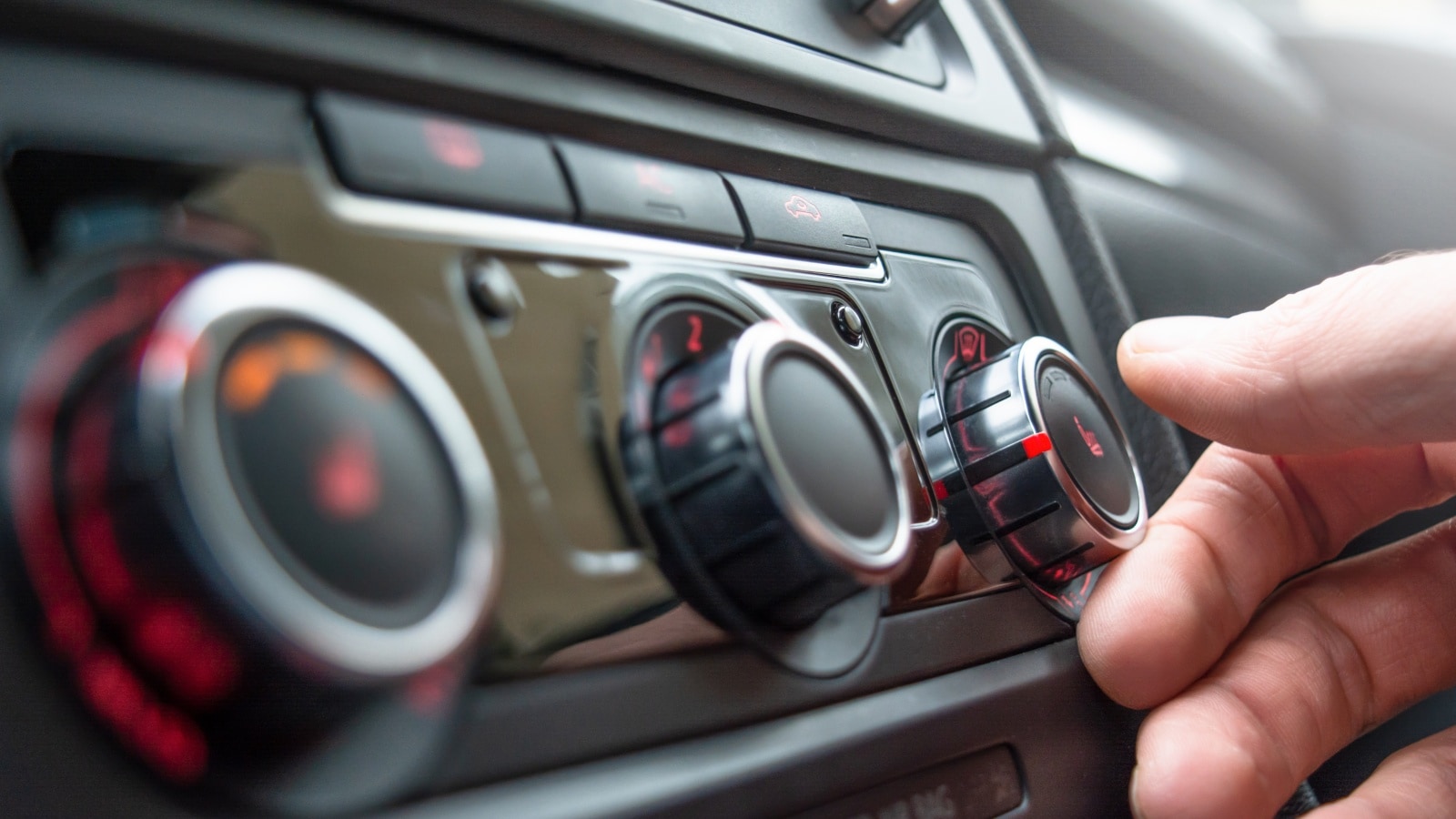
Prolonged use of the air recirculation button in cars can lead to a dangerous buildup of carbon dioxide, causing drivers to feel sleepy and less alert. While oxygen levels don't drop critically, the elevated CO2 levels reduce brain activity, leading to drowsiness and slowed thinking. This impaired state significantly elevates the risk of traffic accidents.
The recirculation mode traps exhaled air, causing CO2 levels to rise sharply within one to two hours, especially with multiple passengers. Symptoms like dizziness, headaches, and confusion are direct results of this poor ventilation. Although modern cars are not airtight enough for fatal CO2 levels, the indirect danger of driver fatigue and mental fog is severe.
To ensure safety, experts advise using recirculation mode for short bursts only. For longer drives, switching to fresh air mode every 30 minutes is recommended. Drivers should also be aware of warning signs such as sudden sleepiness or difficulty concentrating and ventilate the car immediately if these occur.