Home / Health / Cannabis: Sleep Aid's Silent Trap
Cannabis: Sleep Aid's Silent Trap
16 Jun
Summary
- Cannabis may worsen sleep problems over time.
- THC disrupts developing teen brains and PTSD recovery.
- Effective treatments exist but are hard to access.
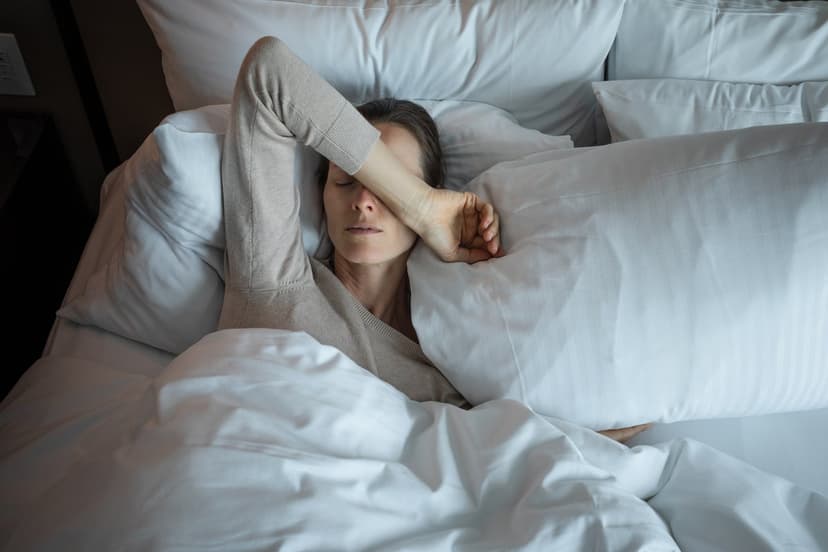
Cannabis is increasingly relied upon for sleep, yet this reliance may create a hidden trap, potentially exacerbating sleep issues over time. While THC can induce sleepiness, its effects diminish with regular use, often necessitating higher doses. Crucially, research indicates that cannabis does not consistently improve overall sleep quality or duration. For chronic users, stopping use can trigger severe withdrawal symptoms, including insomnia and nightmares, often mirroring or worsening the initial sleep complaints.
The developing brains of adolescents are particularly vulnerable, as THC can interfere with critical developmental processes in the prefrontal cortex. Similarly, veterans struggling with PTSD and its associated sleep disturbances find that while cannabis offers temporary relief, it can hinder recovery and lead to a cycle of dependence. Withdrawal symptoms can mimic PTSD, driving users back to cannabis.
Cognitive Behavioral Therapy for Insomnia (CBT-I) is recognized as a highly effective treatment for chronic insomnia and can also reduce cannabis use. However, access to trained providers is limited, leaving many individuals without effective solutions for the underlying causes of their sleep problems. This lack of access traps vulnerable populations in a cycle where cannabis use perpetuates rather than solves their sleep difficulties.


