Home / Health / Cannabis Medicine Ineffective for Most Mental Health Woes
Cannabis Medicine Ineffective for Most Mental Health Woes
17 Mar
Summary
- Cannabis-based medicines show little evidence for most mental health disorders.
- A review of 54 trials found no significant benefit for anxiety, PTSD, or opioid use.
- Limited evidence suggests benefits for cannabis withdrawal and Tourette's syndrome.
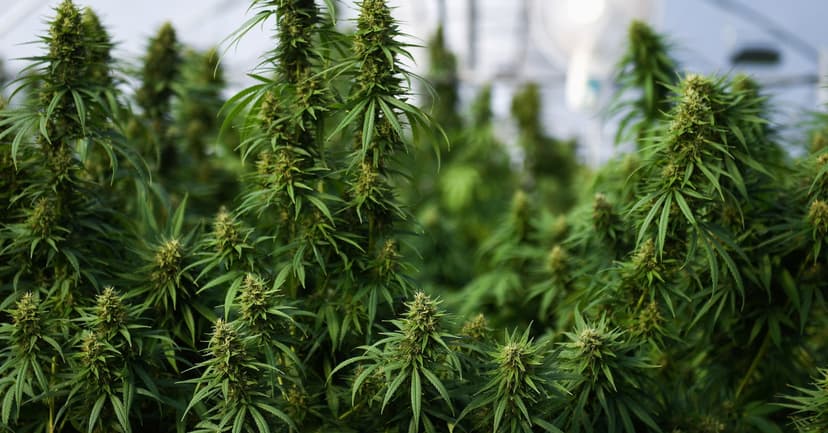
A large review of past studies indicates that cannabis-based medicines have shown minimal evidence of effectiveness for treating most mental health and substance-use disorders. This analysis, published in The Lancet on March 16, examined 54 randomized clinical trials involving 2,477 participants conducted between 1980 and May 2025. The review found no significant benefits for common conditions like anxiety disorders, psychotic disorders, PTSD, and opioid-use disorder.
Despite widespread patient use of cannabis products for conditions such as anxiety and sleep problems, the overall evidence base for these uses remains weak. The study authors highlighted a significant gap, noting the absence of randomized controlled trials evaluating cannabinoids for depression. Some limited positive findings did emerge, suggesting potential benefits for reducing cannabis withdrawal symptoms and cannabis consumption in those with cannabis-use disorder.
Furthermore, cannabinoids were linked to a reduction in tic severity for individuals with Tourette's syndrome. The review also observed a decrease in certain autistic traits among those with autism spectrum disorder and an increase in sleep time for insomnia patients. However, the quality of evidence for autism and insomnia was deemed low, emphasizing the need for more high-quality trials with larger participant groups.