Home / Health / Canada Sees Generational Shift: Cannabis Tops Daily Drinking
Canada Sees Generational Shift: Cannabis Tops Daily Drinking
23 Nov
Summary
- Daily cannabis use now exceeds daily alcohol consumption in Canada.
- Younger Canadians (under 50) prefer daily cannabis over alcohol.
- Daily cannabis use is linked to increased risks of cannabis use disorder.
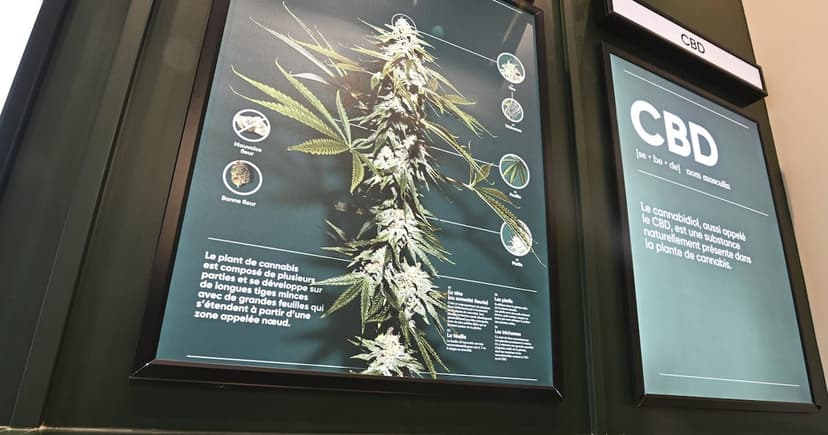
A recent study published in the Canadian Medical Association Journal indicates a significant generational shift in substance use across Canada, with daily cannabis consumption now exceeding that of daily alcohol intake. Approximately 1.8 million Canadians reportedly use cannabis on a daily basis. The research, drawing on Statistics Canada data from the 2023/2024 Canadian Community Health Survey, found that individuals younger than 50 are more inclined towards daily cannabis use compared to daily alcohol consumption. This pattern changes for those aged 65 and older, where alcohol becomes the preferred daily substance.
Lead author André McDonald highlighted that while daily use of any substance carries health risks, the findings necessitate a greater focus on public health strategies concerning cannabis. Daily use is strongly linked to cannabis use disorder, and smoking cannabis daily can pose risks to lung health, similar to cigarette smoking. While research on cannabis's long-term health effects is less extensive than for alcohol or cigarettes, existing evidence suggests potential links to psychotic, mood, and anxiety disorders. The study also noted that two-thirds of daily cannabis users in Canada smoke it, rather than consuming edibles.
Experts acknowledge the complex relationship between cannabis and mental health, with ongoing research exploring whether predisposition or cannabis use itself contributes to mental disorders. Some individuals also report using cannabis for self-medication. The study's data, collected from 99,920 respondents, suggests these trends are likely to continue, potentially making cannabis the predominant substance of choice for middle-aged Canadians in the coming decade. Limitations included self-reported data and the inability to distinguish between medical and non-medical cannabis use.


