Home / Health / Butter's Back: Health Myths Debunked!
Butter's Back: Health Myths Debunked!
12 Dec
Summary
- Butter consumption is surging as nutritionists revise views on saturated fat.
- Flavored butter sales are booming in UK supermarkets.
- Not all saturated fats are equal; dairy fats may have less impact on cholesterol.
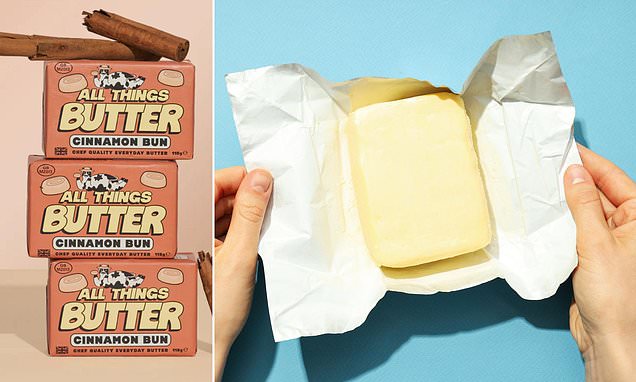
Butter has reclaimed its place on British tables, experiencing a notable resurgence in popularity. Once largely shunned due to concerns over saturated fat, current nutritional science suggests a more nuanced view, indicating that not all saturated fats pose the same health risks. Specifically, fats found in dairy products like butter may raise 'bad' cholesterol to a lesser extent and even increase 'good' cholesterol levels.
This shift in perception, coupled with viral social media trends like #ButterTok, has propelled butter back into the spotlight. Supermarkets report soaring sales of flavored varieties, from cinnamon bun to miso-infused options, highlighting a renewed consumer enthusiasm. While butter's return is celebrated, health professionals emphasize mindful consumption, advising portion control, particularly for those with existing health concerns like high cholesterol.
When choosing butter, factors like ingredients and fat content vary significantly. While traditional butters are being re-evaluated, spreads like Flora and Benecol offer alternatives with different nutritional profiles, catering to specific dietary needs and health goals. Ultimately, incorporating butter into a balanced diet can be permissible, but awareness of its saturated fat and, in some cases, sugar content is crucial for making informed choices.