Home / Health / Bride Wakes From Coma After Japan Honeymoon Crisis
Bride Wakes From Coma After Japan Honeymoon Crisis
15 Jul
Summary
- Bride fell into a coma due to acute liver failure during Japan honeymoon.
- Doctors initially warned of permanent coma, but she recovered and woke up.
- Her recovery is ongoing, with therapy continuing daily.
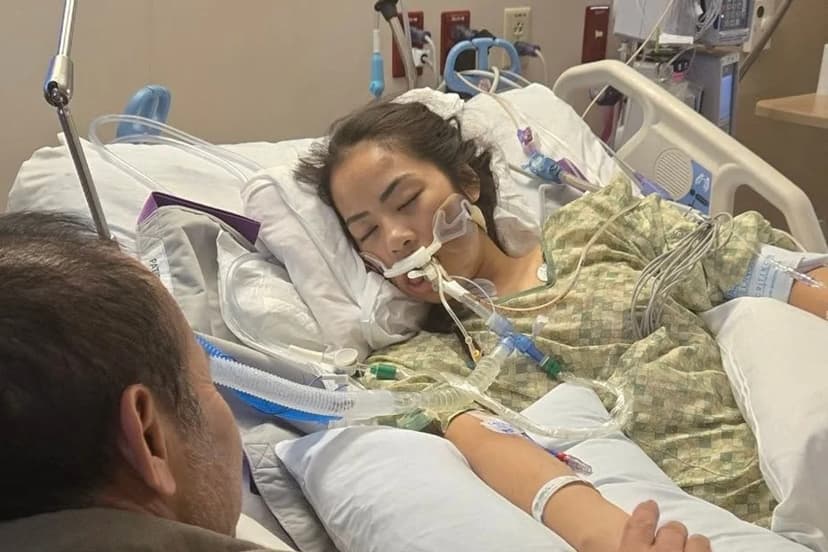
Sarah Danh, a 27-year-old nurse from San Antonio, Texas, has spoken out about her harrowing experience after falling into a coma during her honeymoon in Japan. On April 9, just two days into her trip with husband Luke Gradl, she suffered acute liver failure and slipped into unconsciousness.
Initially hospitalized overseas, Danh was later transported to Texas on April 21. Doctors diagnosed severe bilateral brain damage and warned her family she might never awaken. However, she defied expectations, breathing independently and being removed from life support.
Danh transferred to a Houston hospital in May for physical and cognitive therapy. In an Instagram post on July 9, she shared her gratitude for her support system and expressed the bittersweet feeling of sharing her story. She detailed feeling unwell prior to her trip, initially suspecting COVID-19, but received minimal medical attention.
She has no memory of the trip to Tokyo, recalling only vague details from those around her about her rapid decline. Diagnosed with acute liver failure and hepatic encephalopathy, doctors informed her family that a liver transplant was not an option for non-citizens, necessitating a flight back to Texas.
Upon her return to the U.S., the focus shifted to her brain injury. A neurologist grimly predicted she would never be the same if she survived. Miraculously, her liver began healing, and brain swelling decreased. Danh awoke on April 29, describing it as returning from the dead.
Her recovery continues daily, involving numerous specialists and neuro rehabilitation. The exact cause of her sudden decline remains a mystery, but the experience has profoundly impacted her perspective on life's fragility and the importance of appreciating ordinary moments.


