Home / Health / Breast Cancer Screening Misses 95% of High-Risk Women Under 50
Breast Cancer Screening Misses 95% of High-Risk Women Under 50
4 Aug
Summary
- Current NHS breast cancer screening misses up to 95% of high-risk women under 50.
- A new risk assessment tool identified eight times more young women at high risk.
- Most breast cancer cases (96%) occur in women over 40, yet screening is limited.
- Three-quarters of under-50s with breast cancer within a decade have no family history.
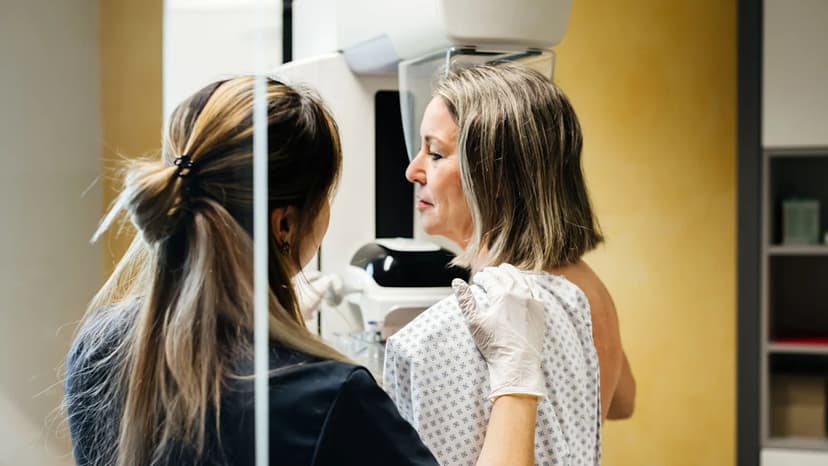
New research indicates that current NHS breast cancer screening guidelines for women under 50 are too restrictive, failing to identify up to 95% of those at elevated risk. The National Institute of Health and Care Excellence (Nice) guidelines primarily focus on inherited genes, overlooking crucial factors like lifestyle and reproductive history.
A study published in the British Journal of Cancer employed a risk calculator called Boadicea. This tool combines family history, lifestyle, and genetic information to assess risk. The research found that this approach could identify eight times more women under 50 who later developed breast cancer compared to the current criteria.
This disparity is significant because three-quarters of women under 50 who develop breast cancer within a decade have no discernible family history. The Boadicea tool estimates that a quarter of all women under 50 could be flagged as above-average risk, necessitating further assessment, a stark contrast to the 1.4% identified by current Nice guidelines.
Researchers are urging the NHS to review its screening criteria in light of these findings. However, concerns have been raised about the potential for increased workloads and unnecessary anxiety for women undergoing more frequent checks. While acknowledging the potential of multifactorial risk assessment tools, Nice stated that current evidence does not yet warrant a change in guidelines.


