Home / Health / New Brain Region Linked to High Blood Pressure
New Brain Region Linked to High Blood Pressure
13 Jan
Summary
- A little-known brain region, the lateral parafacial area, may trigger high blood pressure.
- Activating this brain region in rats caused blood vessels to tighten, raising pressure.
- Inhibiting the region normalized blood pressure in rat studies, offering new treatment hopes.
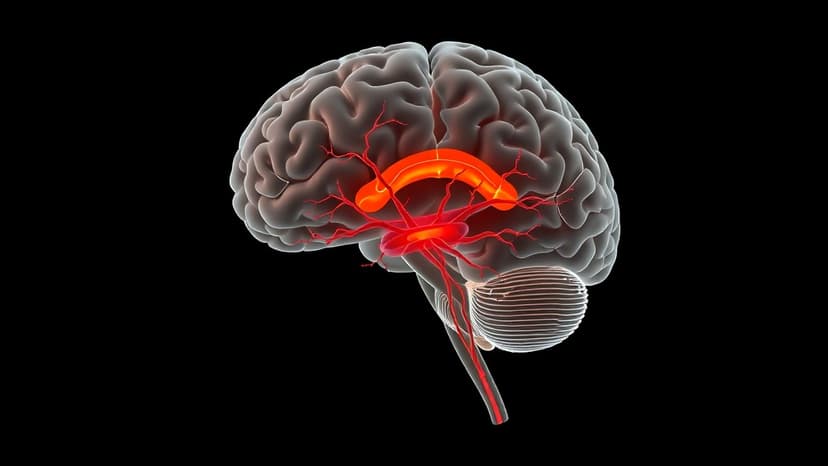
Researchers in New Zealand have pinpointed a small, obscure region in the brainstem, known as the lateral parafacial region, as a potential culprit behind high blood pressure. This area controls automatic bodily functions and, in recent studies involving rats, was found to actively trigger nerves that constrict blood vessels. This constriction directly leads to an increase in blood pressure, a condition known as hypertension.
The research team demonstrated this link by manipulating the lateral parafacial region in laboratory rats. When they activated the nerves within this region, blood pressure significantly rose, accompanied by forced exhalations. However, upon inhibiting the same neural pathways, blood pressure returned to normal levels, offering a novel insight into hypertension's origins.
While the study was conducted on rodents, scientists are hopeful that these findings could pave the way for new treatments for hypertension. Current treatments primarily focus on lifestyle changes and medications that relax blood vessels. This discovery suggests that therapies aimed at calming specific overactive nerves in the brain could offer an alternative or complementary approach to managing the condition.