Home / Health / Beyond Wrinkles: Botox Treats Severe Jaw Disorder
Beyond Wrinkles: Botox Treats Severe Jaw Disorder
4 Jul
Summary
- TMJ disorder affects millions, with women twice as likely to experience it.
- Botox, a muscle relaxant, is a novel treatment for severe jaw pain.
- Young women are increasingly seeking treatment for this painful condition.
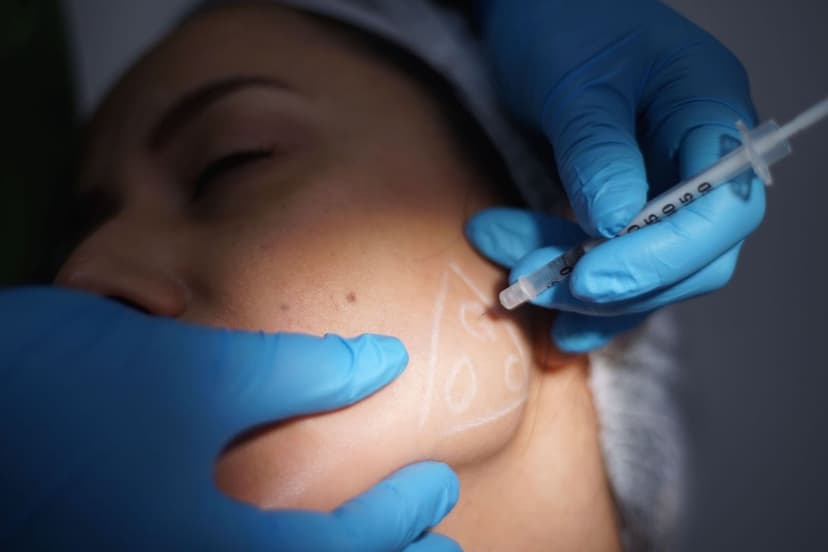
Temporomandibular joint disorder (TMJ), a condition affecting the jaw joint and surrounding muscles, is becoming a significant health concern, particularly for young women. This disorder, which can cause sharp jaw pain, headaches, and facial swelling, affects up to 6.7 million people in the UK, with women being twice as likely to suffer from its symptoms. The severity ranges from mild discomfort to severe facial pain and arthritis.
Recently, there has been a notable increase in young women seeking treatment for TMJ. Maxillofacial surgeons are observing a surge in cases, with many attributing the rise to everyday life stresses that lead to subconscious teeth clenching or grinding. While not a quick fix, a novel treatment gaining traction is Botulinum Toxin-A, commonly known as Botox.
Botox, primarily recognized for its cosmetic applications, is being used for TMJ due to its muscle relaxant properties. Injections into the jaw muscles help to partially paralyze them, preventing excessive clenching and thereby alleviating pain. This treatment has been described as "life-changing" by patients like Sofia Stidham, who found relief after trying other options.
Accessing treatment can be challenging, with many patients turning to private care which can cost upwards of £300 due to difficulties with NHS access. This lack of awareness and accessibility contributes to feelings of isolation and distress among those affected, with some even experiencing suicidal thoughts. Experts emphasize the urgent need to raise awareness about TMJ to improve specialist access and advance research, especially concerning health issues disproportionately affecting women.


